Pilot River Assembly for Meža
How can we create conditions for river and people to not only function, but flourish together?
Why the Meža
A river that shaped the valley
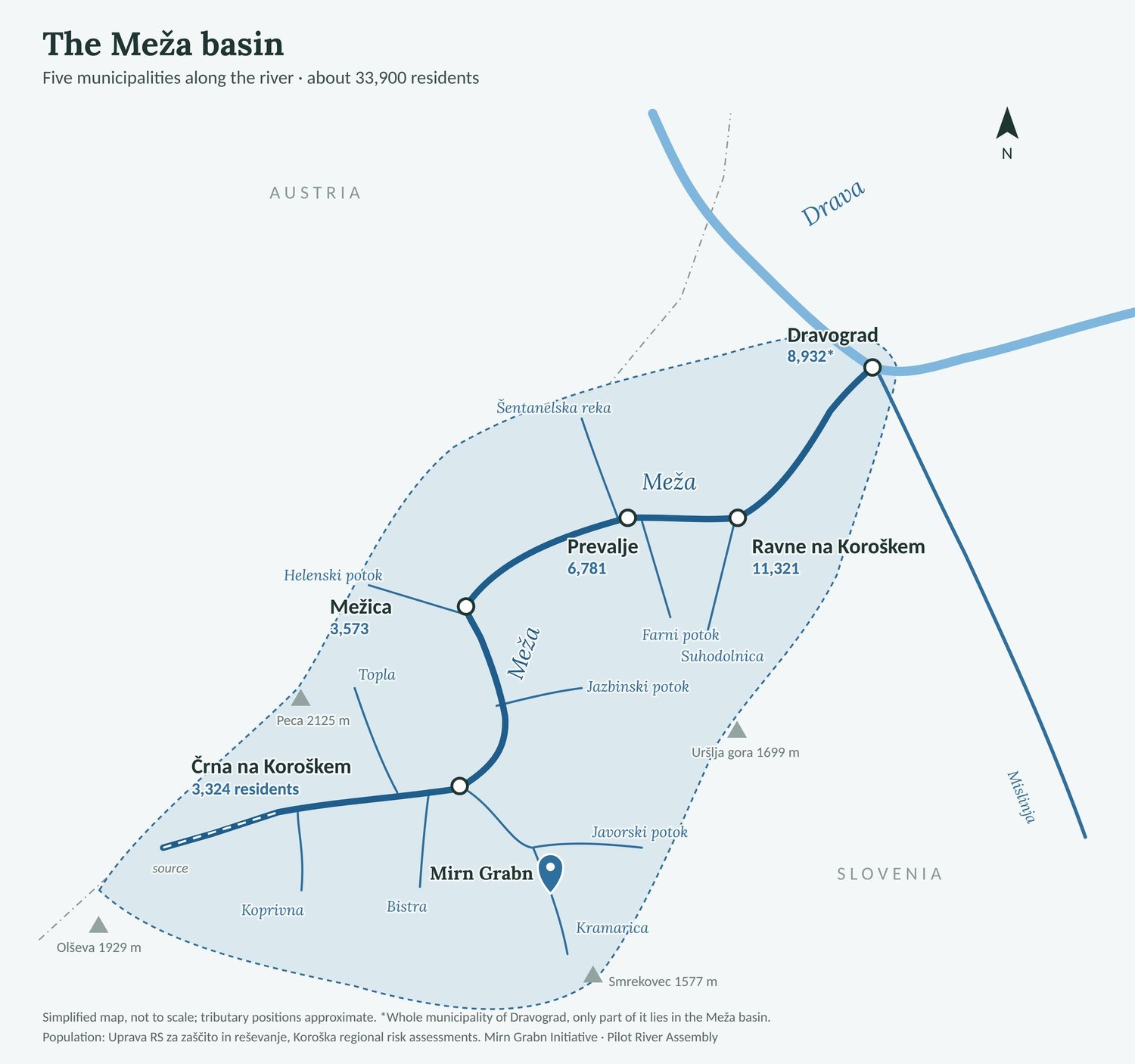
The Meža rises below Olševa and flows through Črna na Koroškem, Mežica, Prevalje and Ravne na Koroškem to meet the Drava at Dravograd. For centuries it shaped life in the valley. Many people here still remember children catching fish with their bare hands.
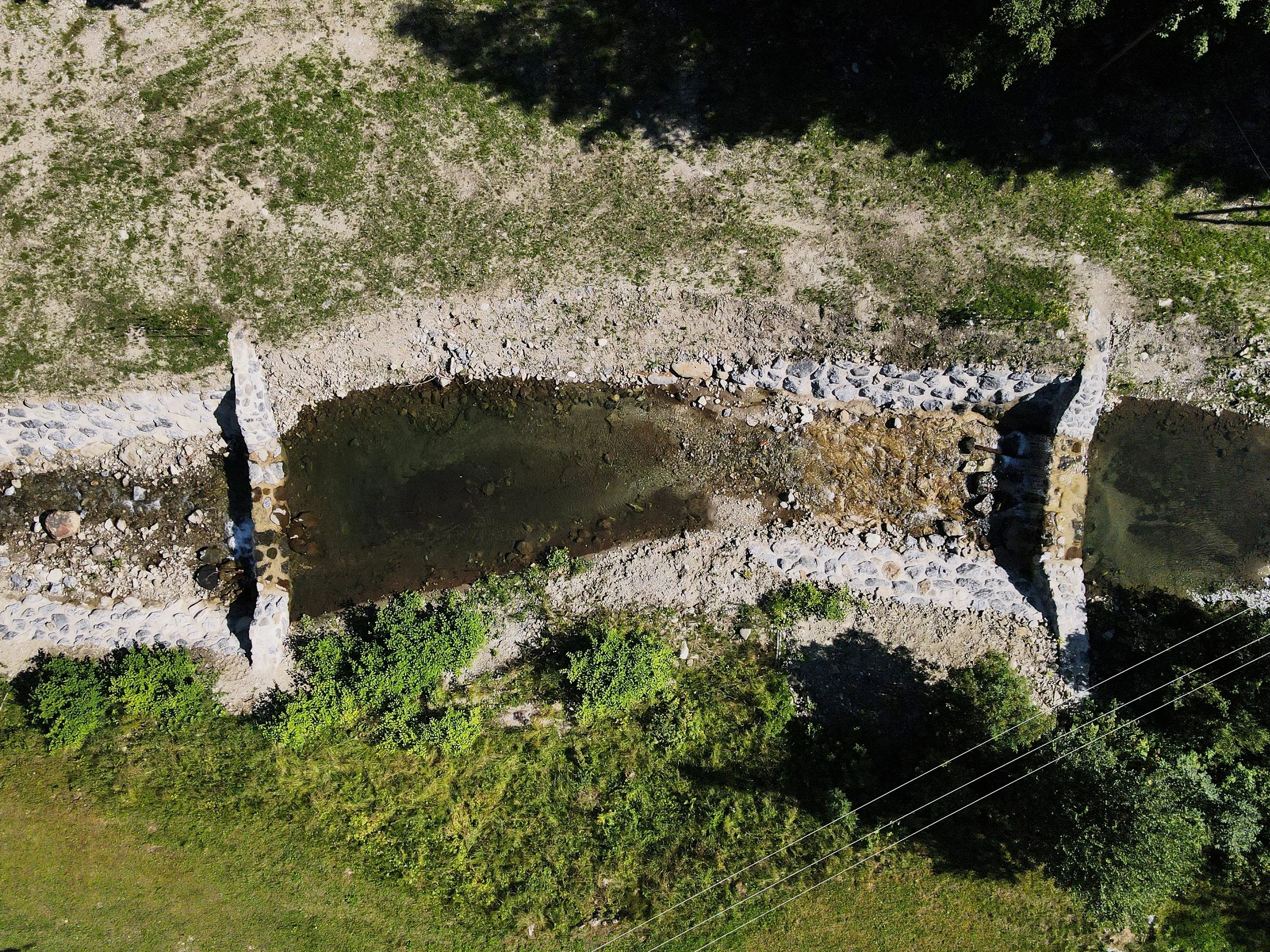
A century of lead and zinc mining left the river polluted. From 1990 onwards, barriers and concrete changed its streams further. After the floods of 2023, more of the river disappeared behind high banks and walls, with little say from the people who live along it.
We lived through those floods at Mirn Grabn, on the Kramarica, a tributary of the Meža. That is where the idea for this assembly began: if decisions and modifications in and about the river shape all of our lives, the people of the valley, and the river itself, should have a voice in them.
The method
What is a citizens’ assembly?
Chosen by lottery
A group of ordinary residents, chosen at random, comes together to answer a question that matters to their community. The group mirrors the community in age, gender, place and work, bringing together people who might never otherwise sit at the same table.
Deliberation
Members think a question through together, carefully and fairly. They hear from experts and different views, ask questions, listen, weigh up options and trade-offs, and look for common ground. At the end, they agree on shared recommendations.
Non-partisan
Members represent only themselves and their community, not parties or interest groups. Experience from around the world shows this method helps depolarise difficult topics: people often find more common ground than they expected.
A citizens’ assembly is not a consultation, where people give their opinion and decisions are made elsewhere. It is also not a vote, where each person decides alone. It gives ordinary people the time, information and support to work through a difficult question together.
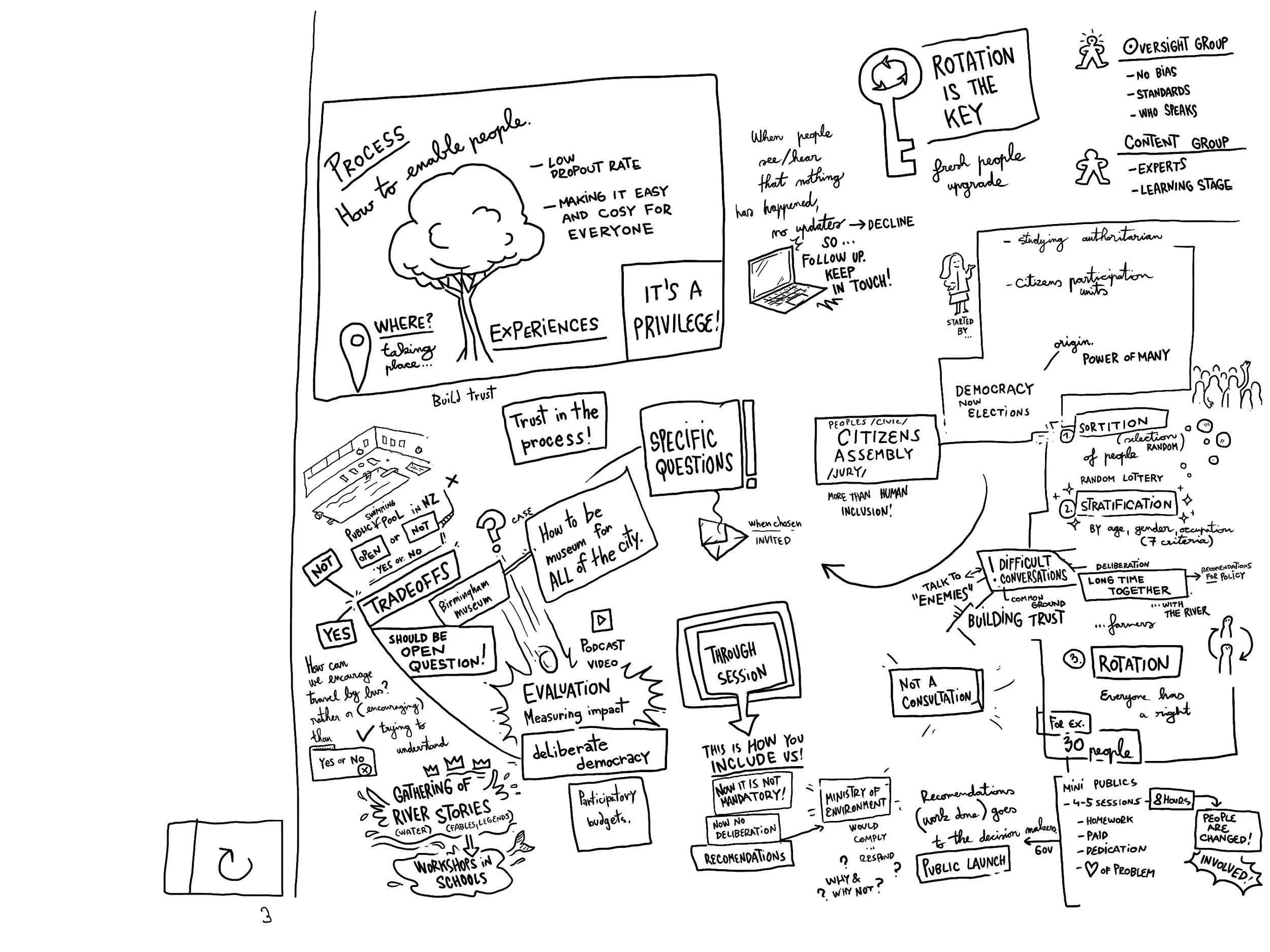
Participation, lottery, deliberation: drawing by Jernej Žumer from our design workshop, October 2026.
How it will work
From the first letter to the final recommendations
The river in the room
The river is part of the conversation
What makes this assembly different is that the river and other beings are part of the conversation, not just its subject.
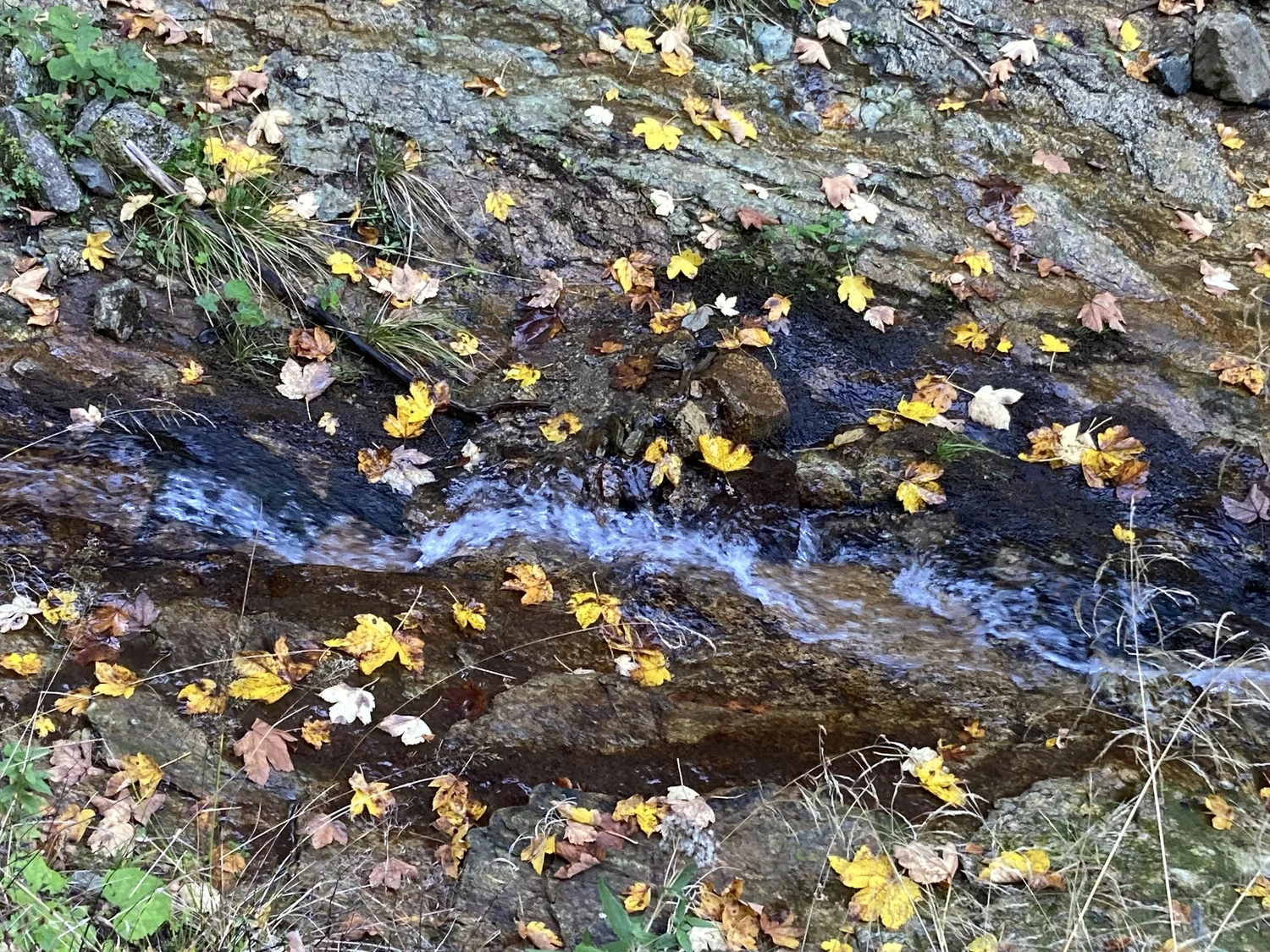
Members will spend time at the water in every session. This approach draws on the idea of multispecies justice: that rivers, forests and animals also have a claim to be considered when we decide the future.
Partners
Who is behind it
The Mirn Grabn Initiative
A non-profit based in the Kramarica watershed. Leads, manages and hosts the assembly.
DemocracyNext
An international organisation that designs citizens’ assemblies. Brings its expertise in sortition, deliberation and follow-through.
demnext.org →The University of Sydney
Through its Multispecies Justice project, brings research on more-than-human methods and will evaluate the process.
Multispecies Justice →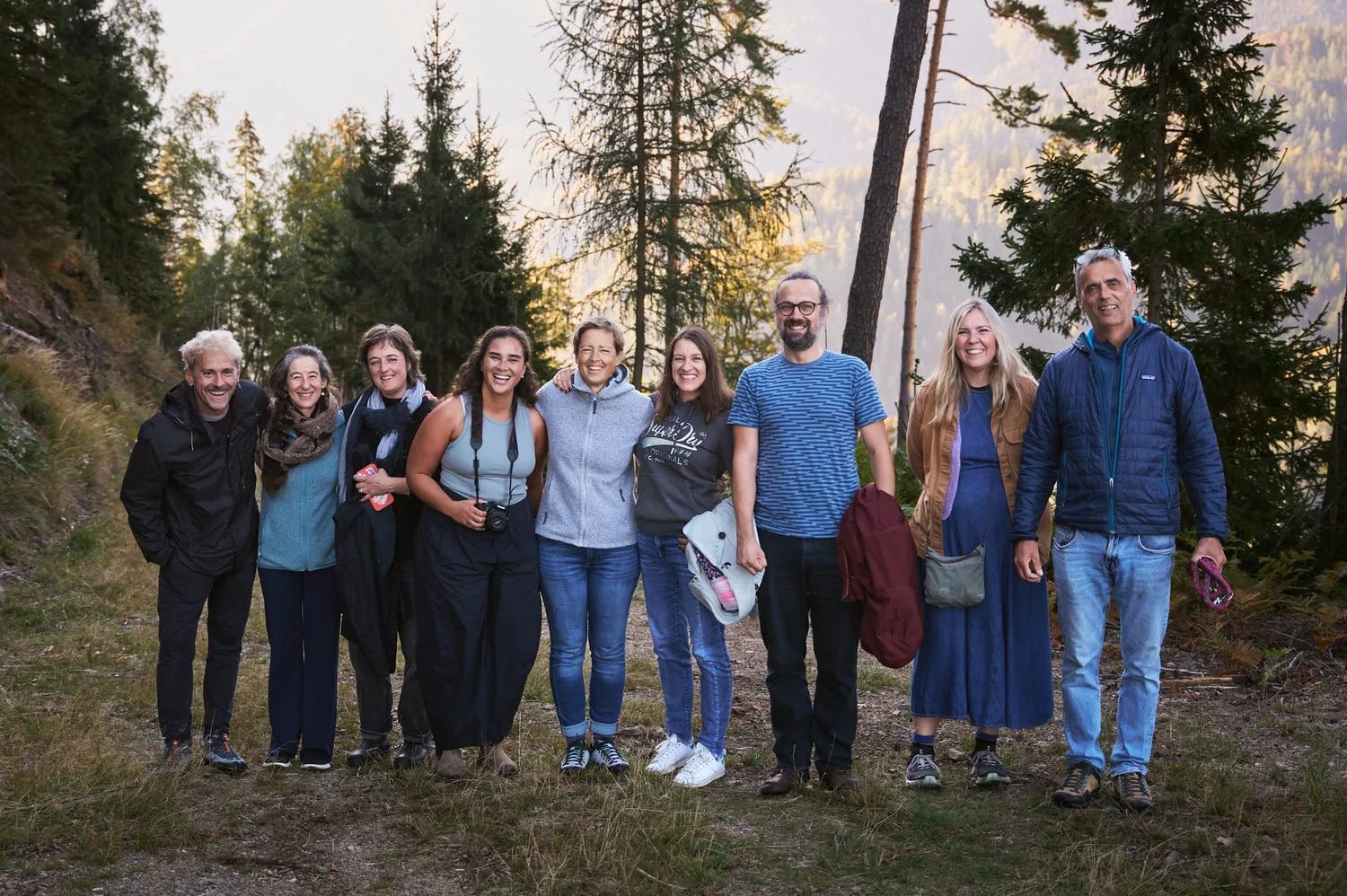
The design workshop at Mirn Grabn, October 2026. Photo: Jan Pirnat
Follow the assembly
If you live in the Meža valley, look out for your invitation in early 2027. If you would like to follow the assembly, support it, or bring your knowledge of the river, get in touch.
Contact us