What's in the works for 2026?
In the season ahead, our focus gathers around a few shared intentions — continuing the restoration of the land while gradually opening it as a place for learning, observation, and collaboration.
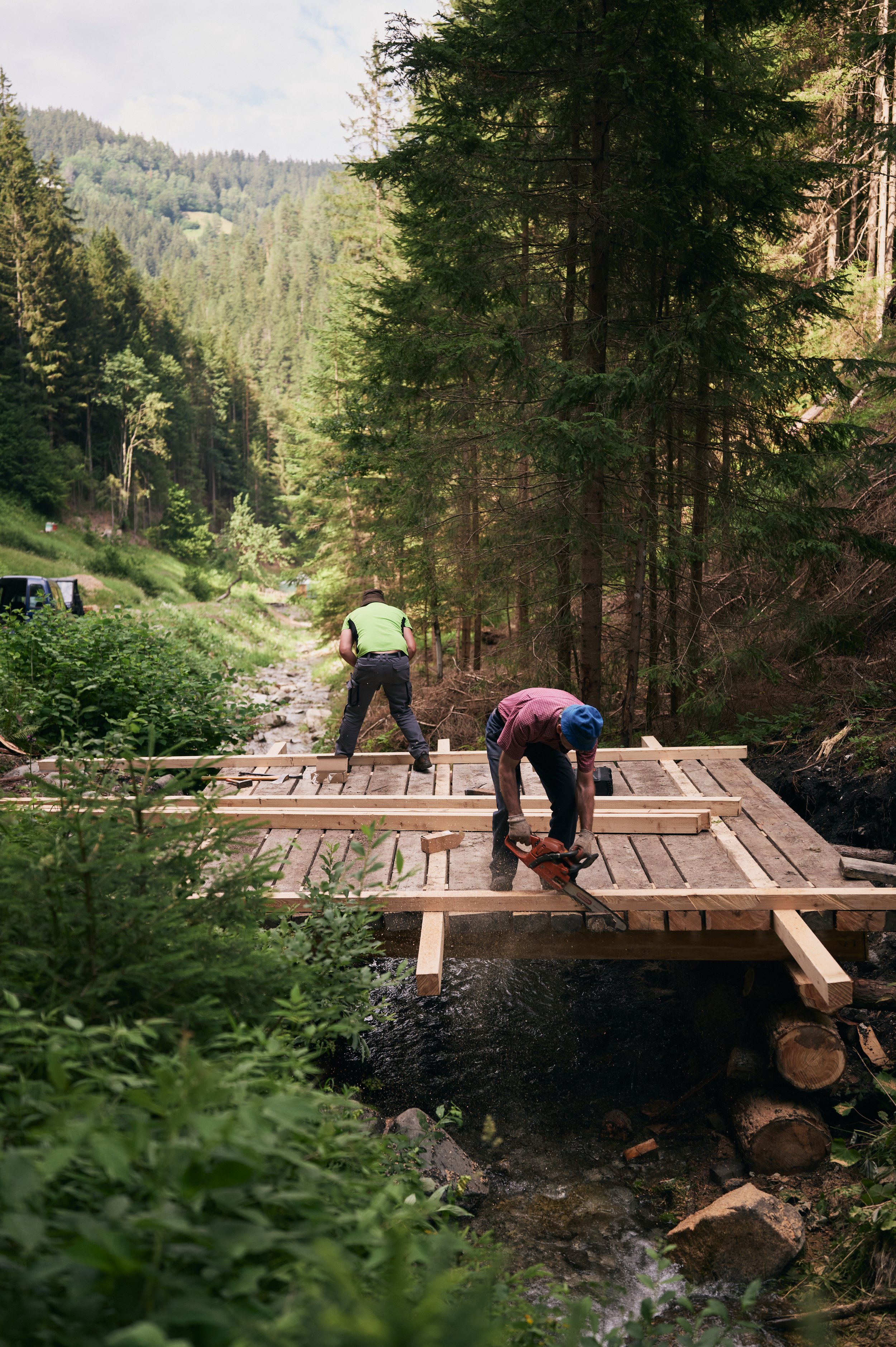
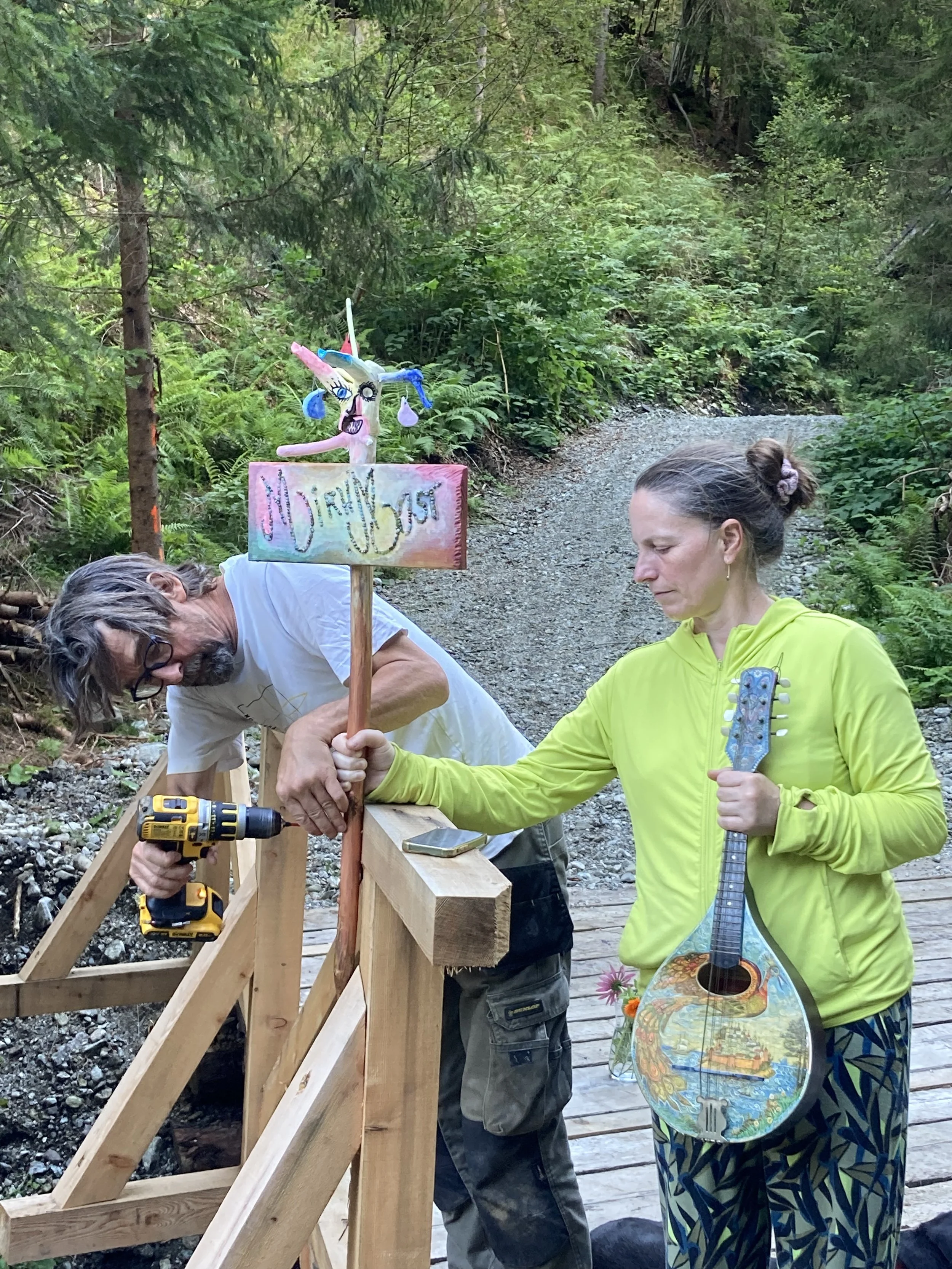
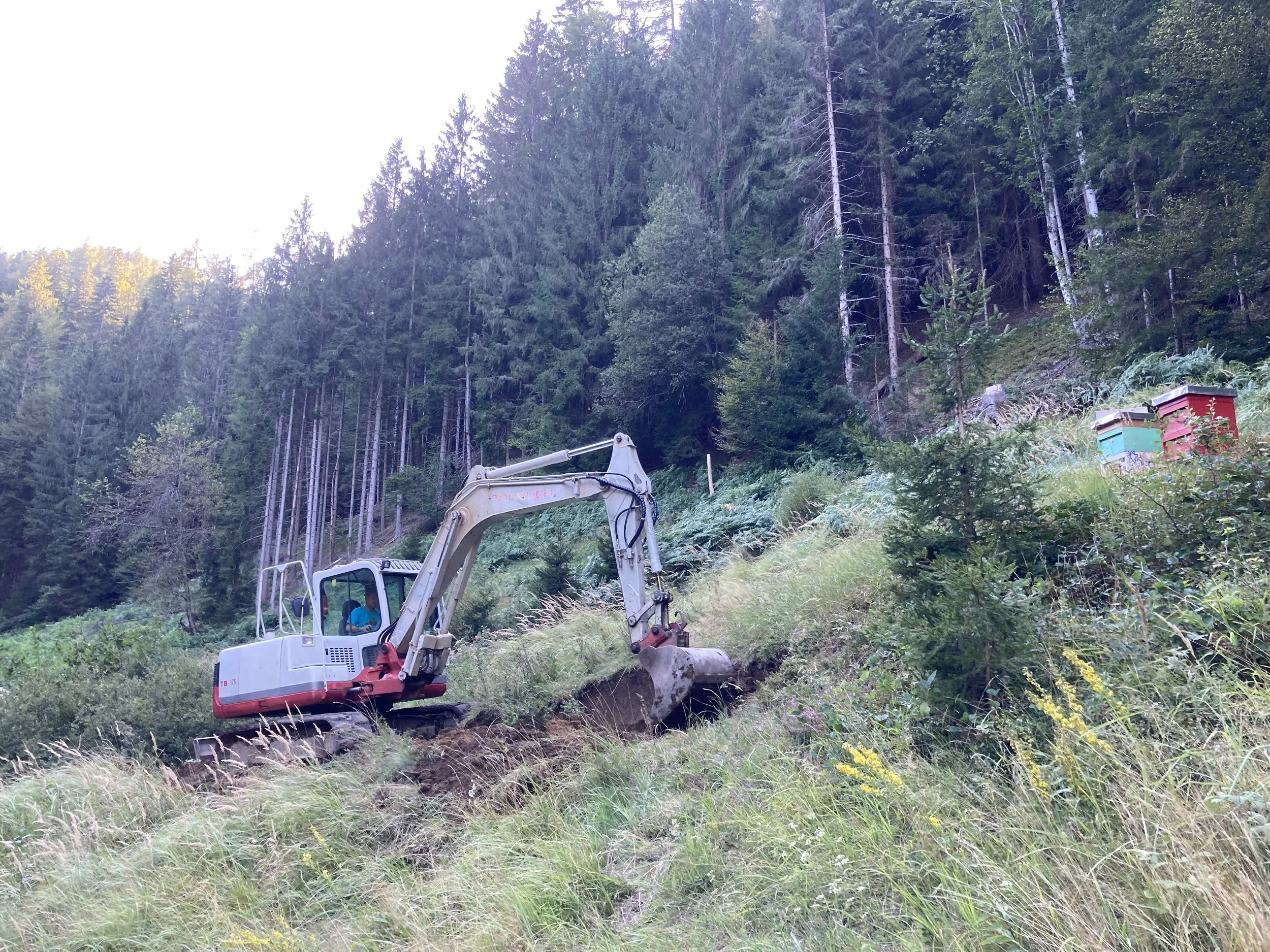
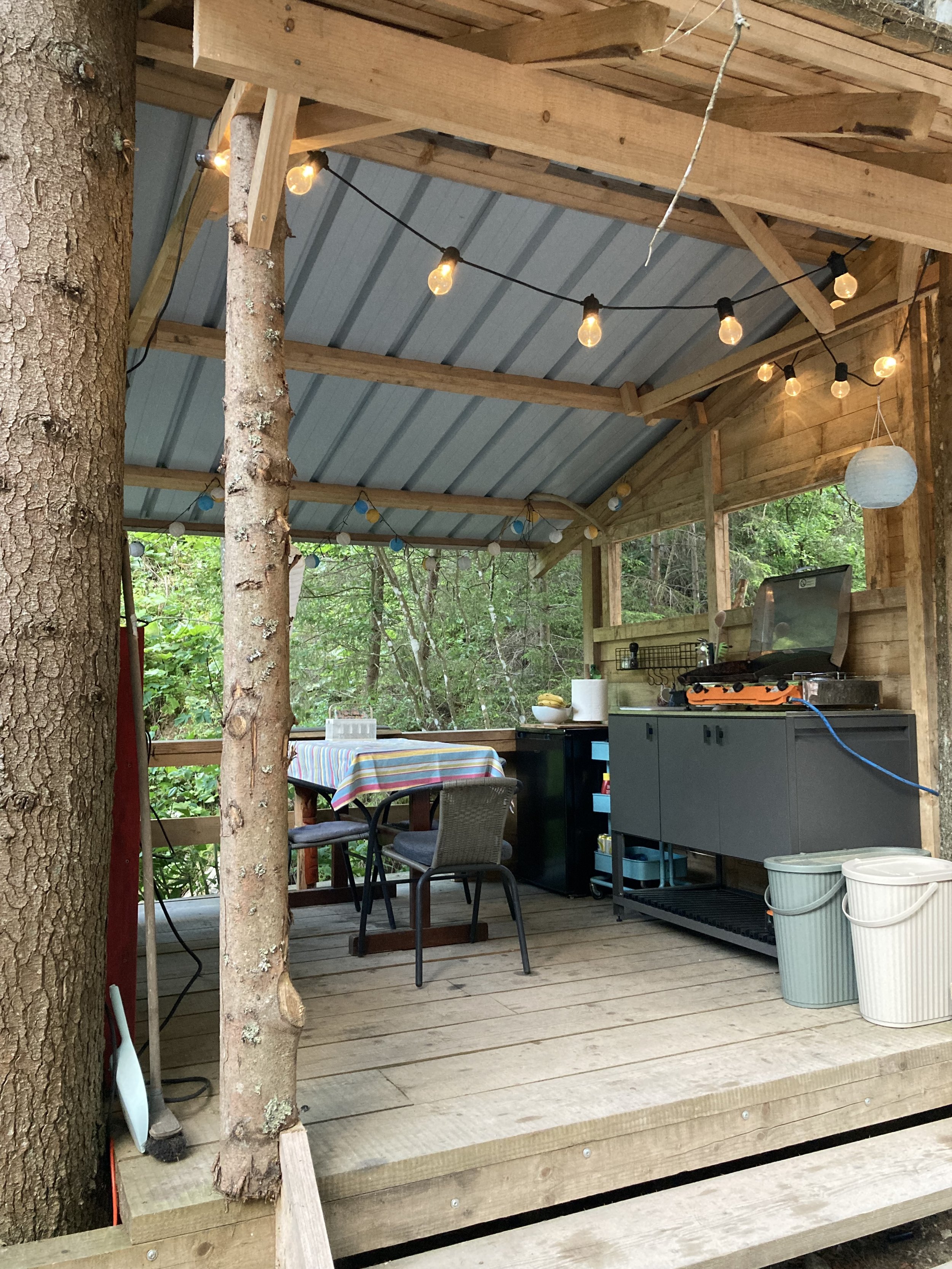
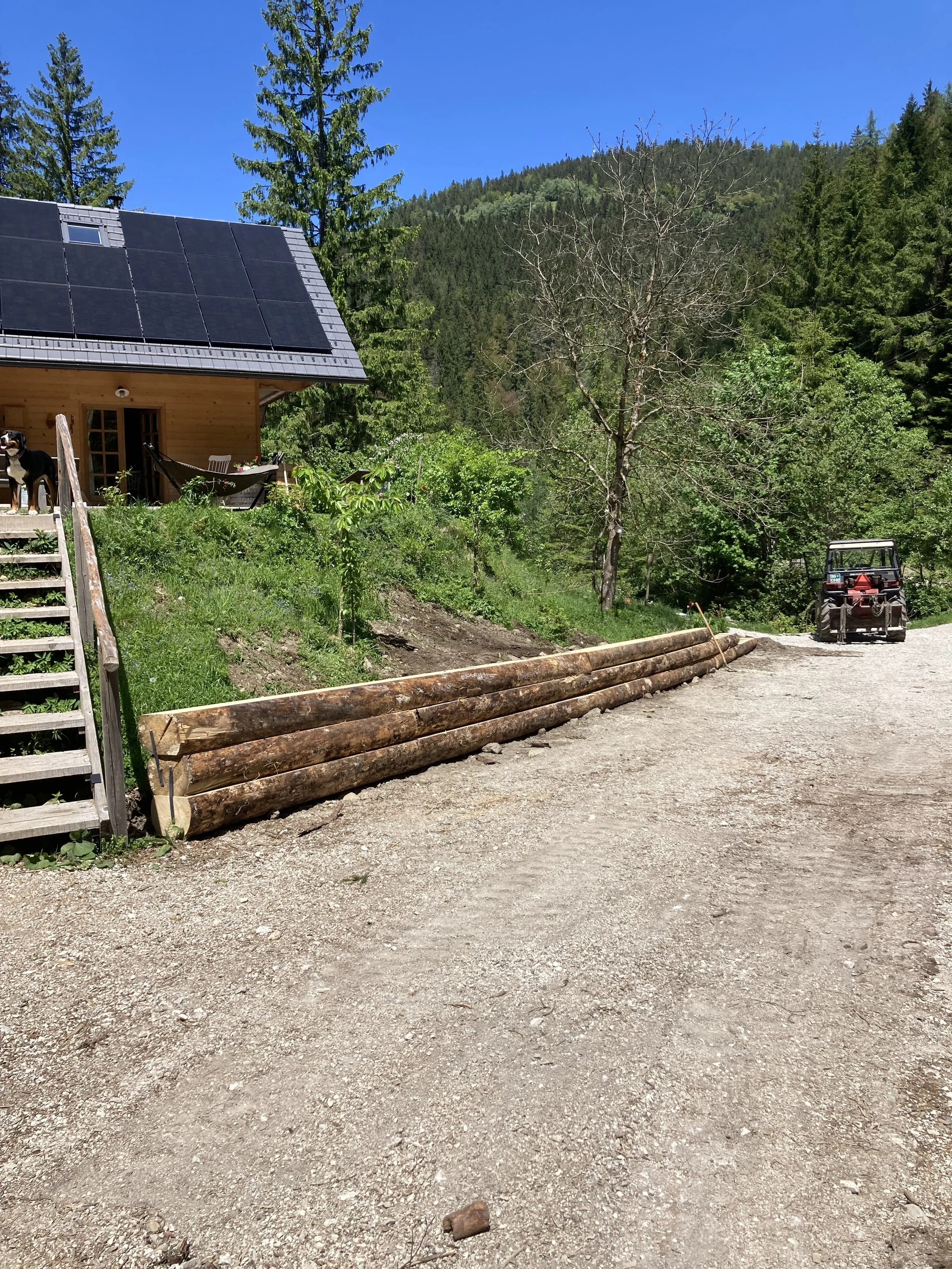
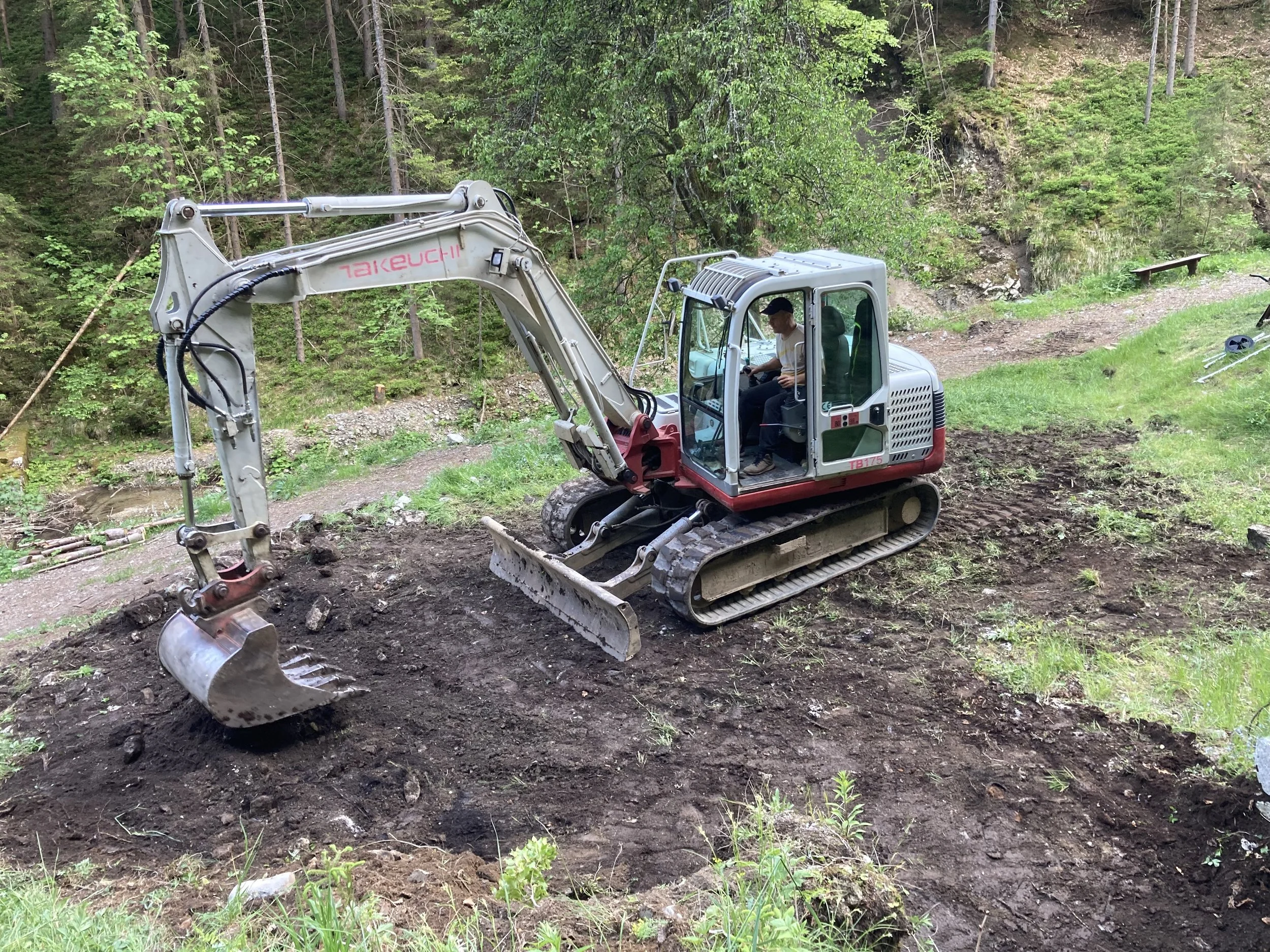
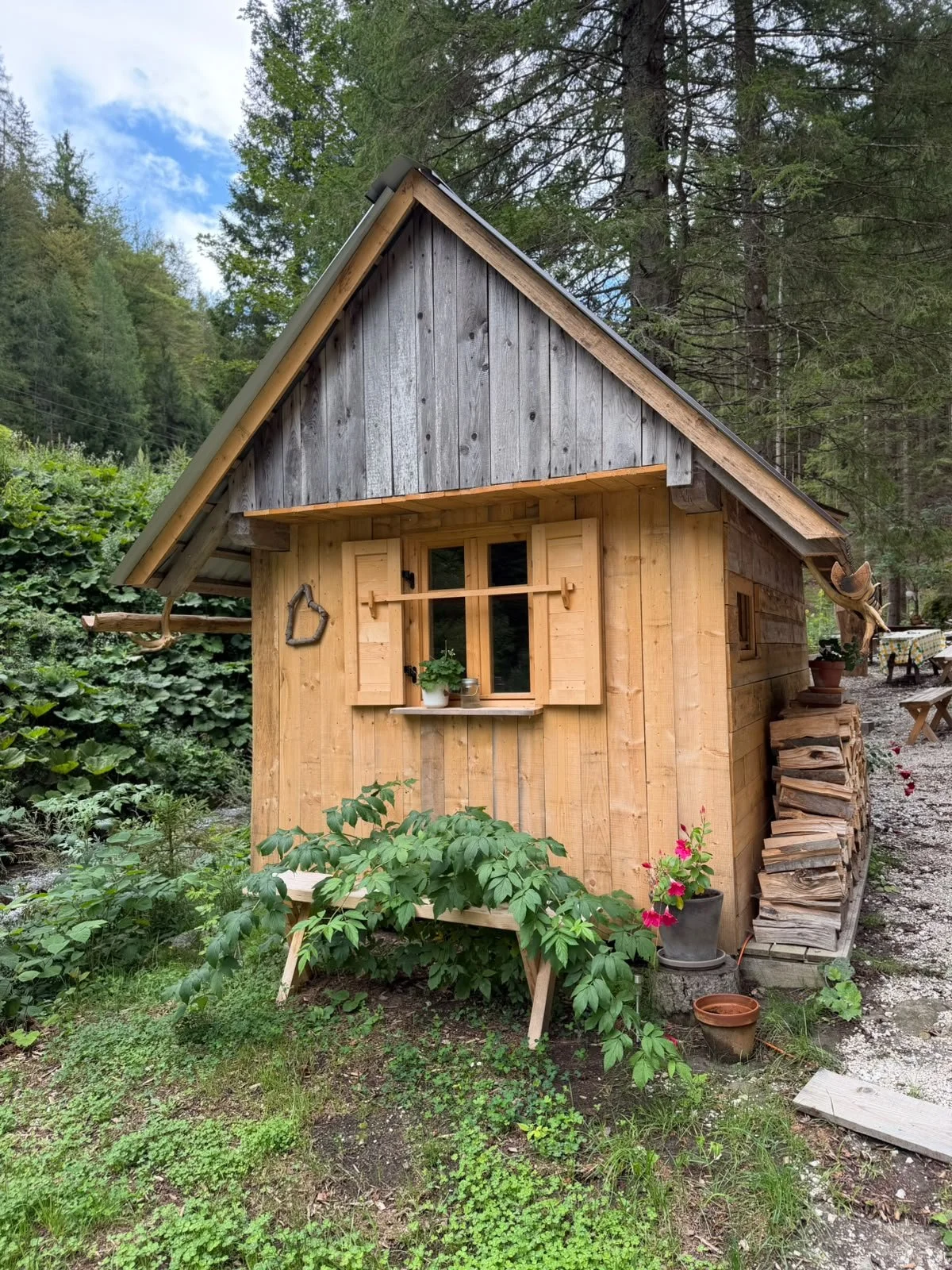
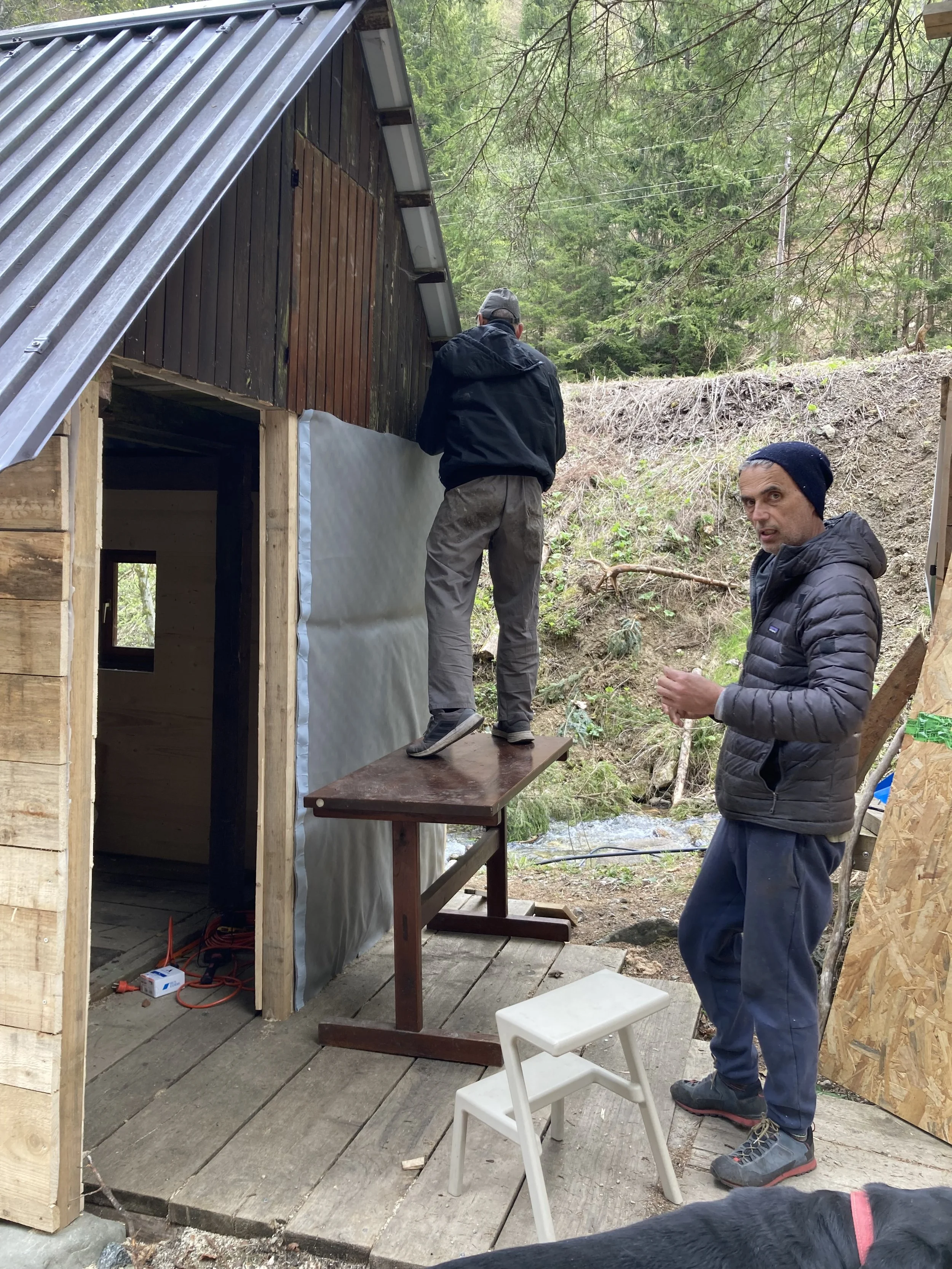
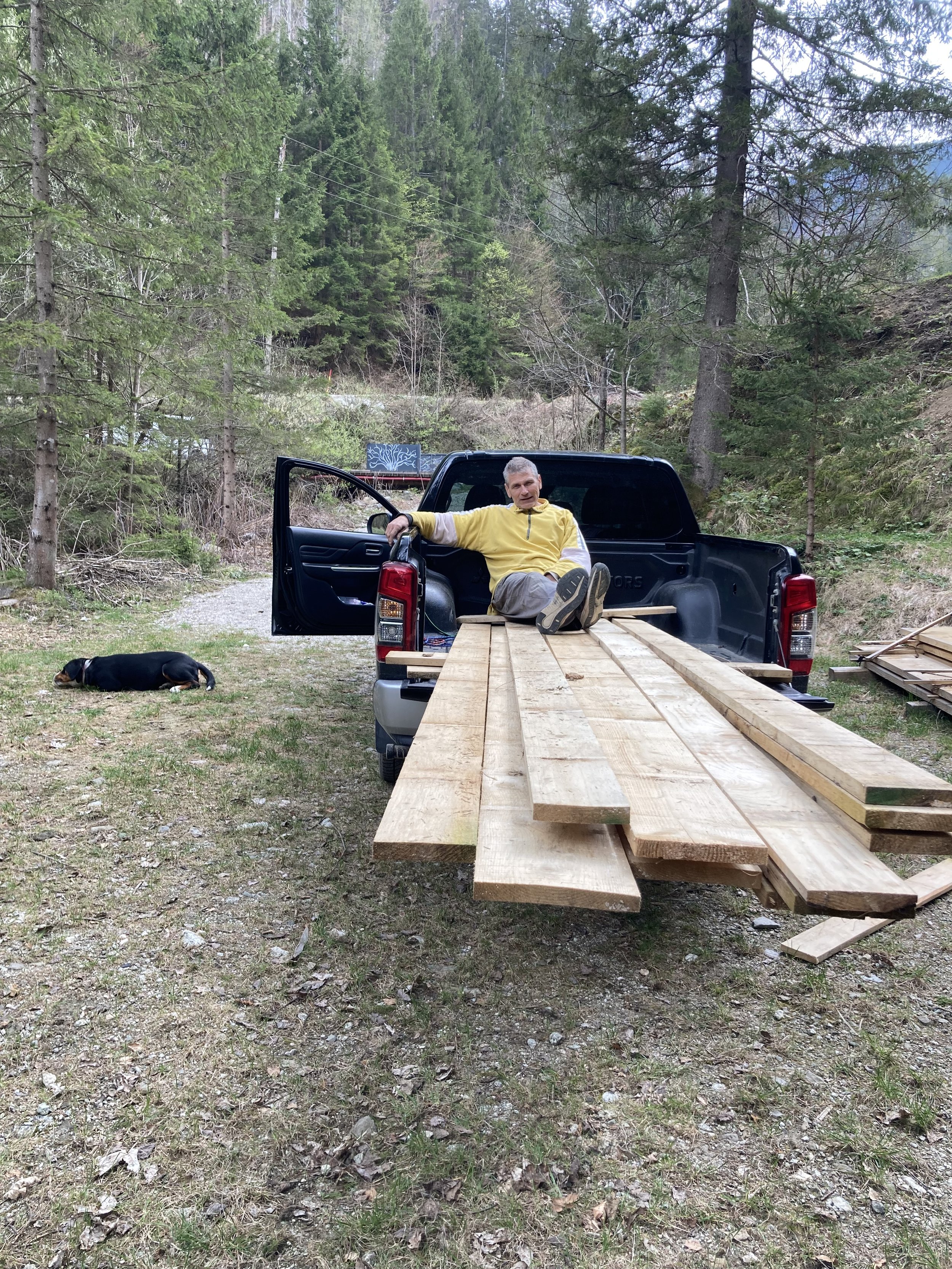
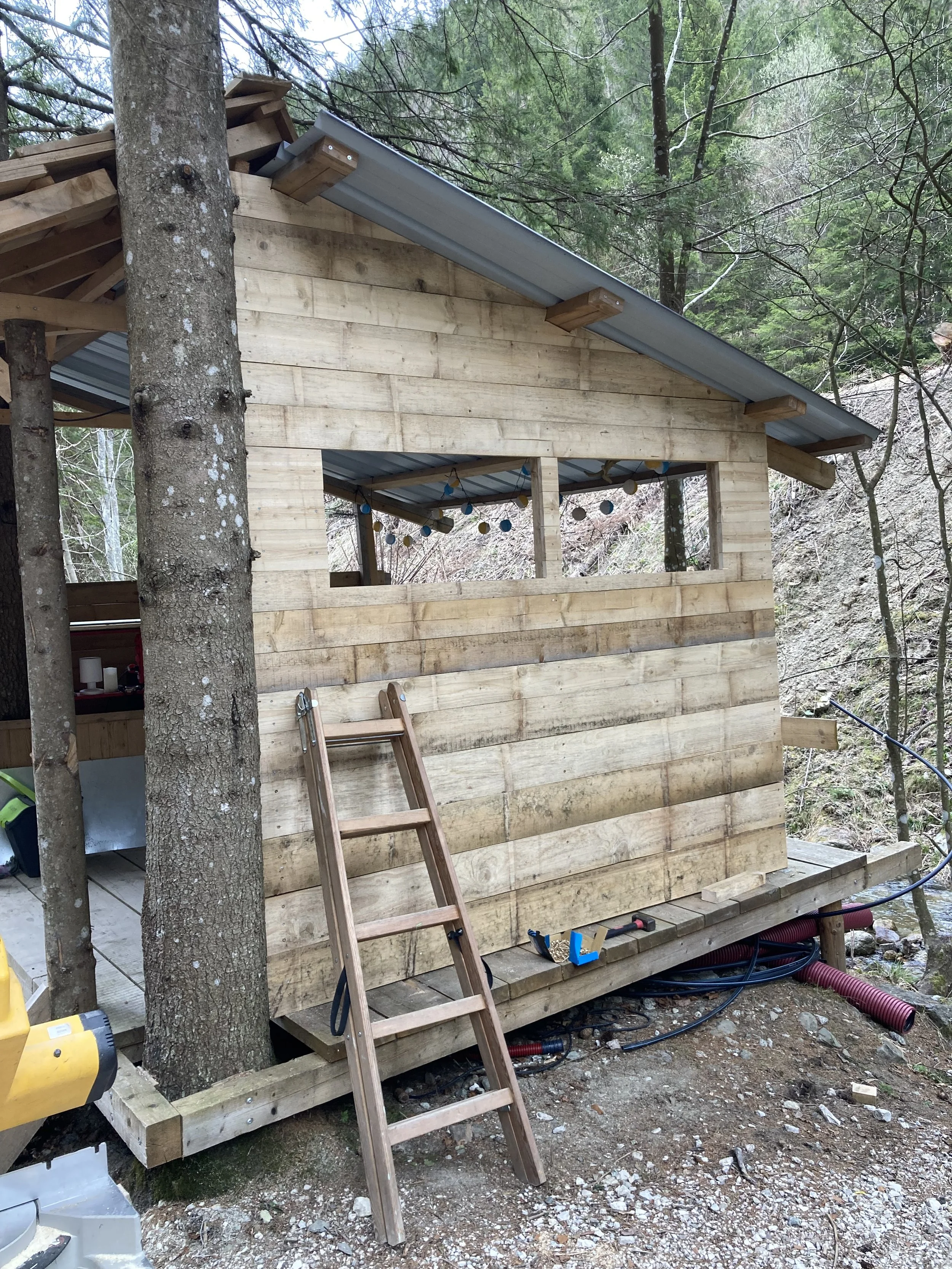
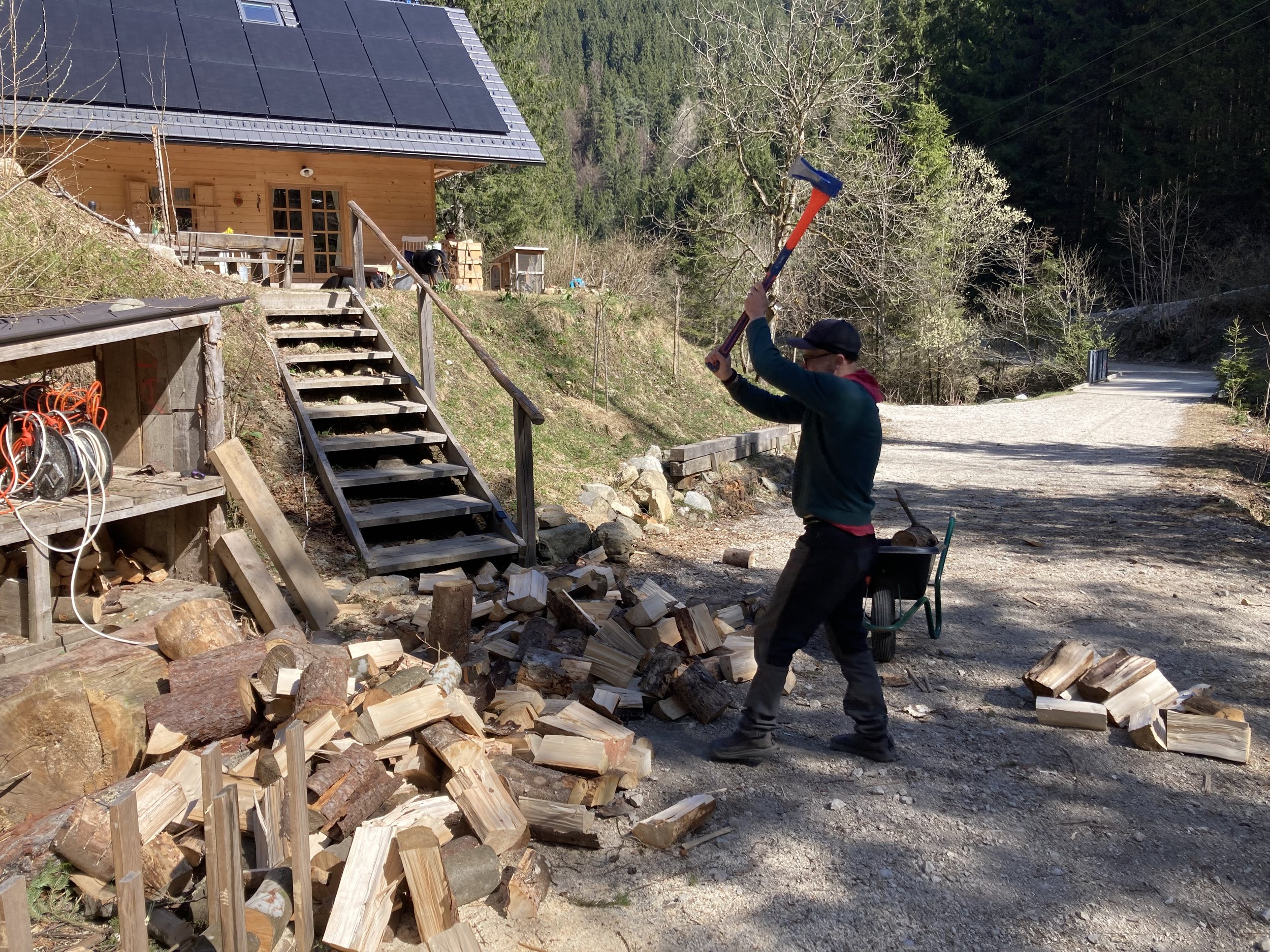
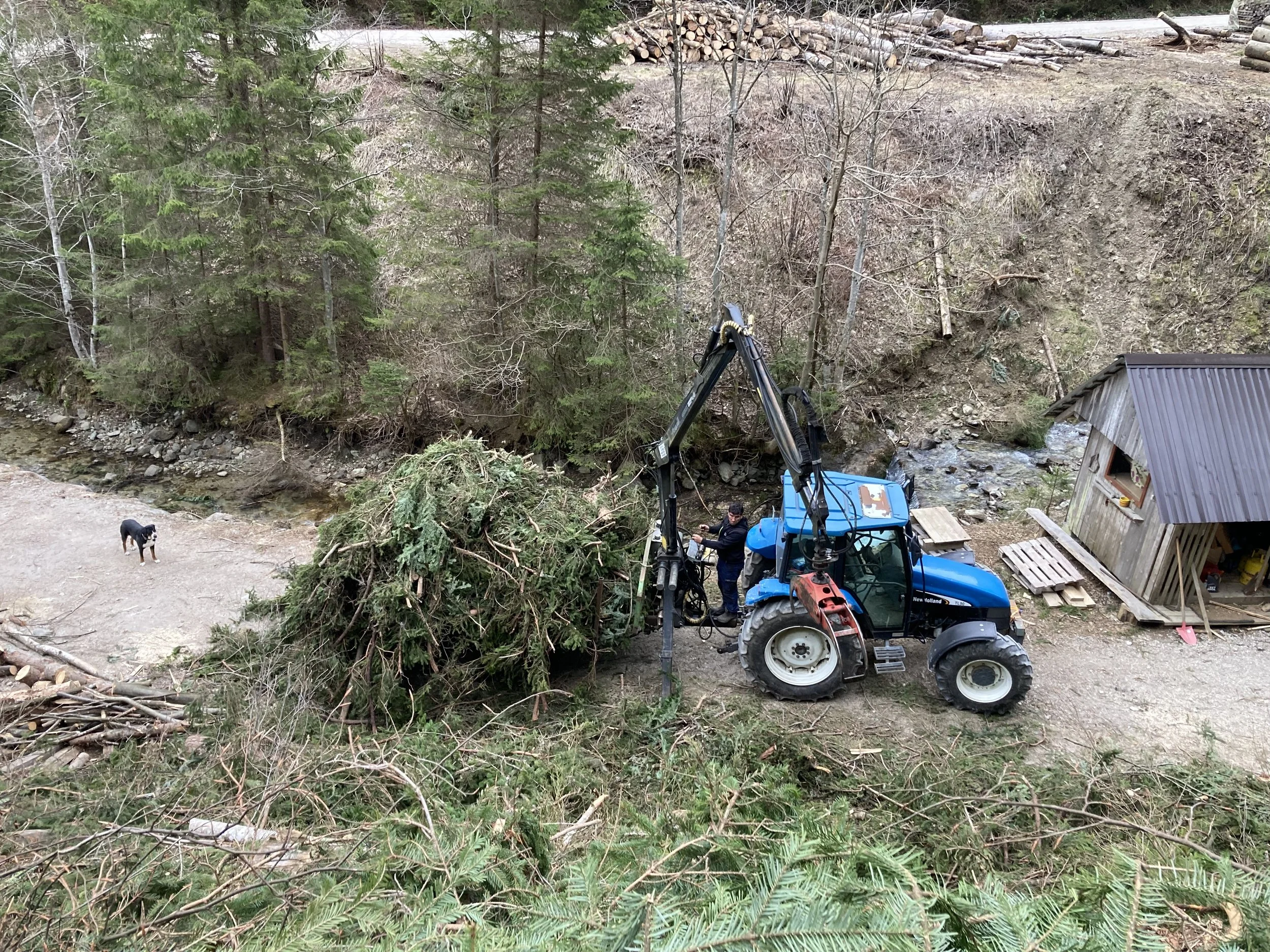
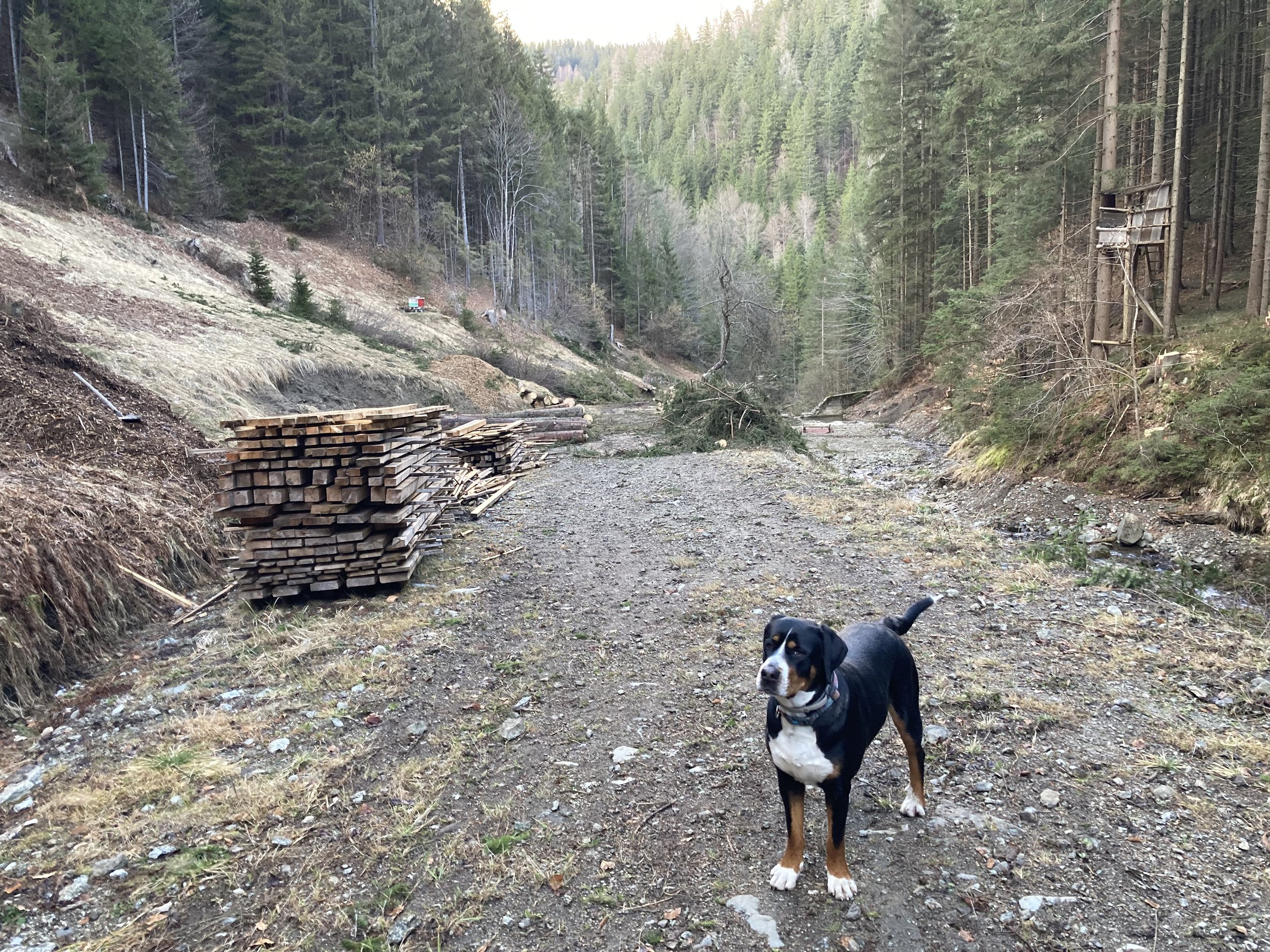
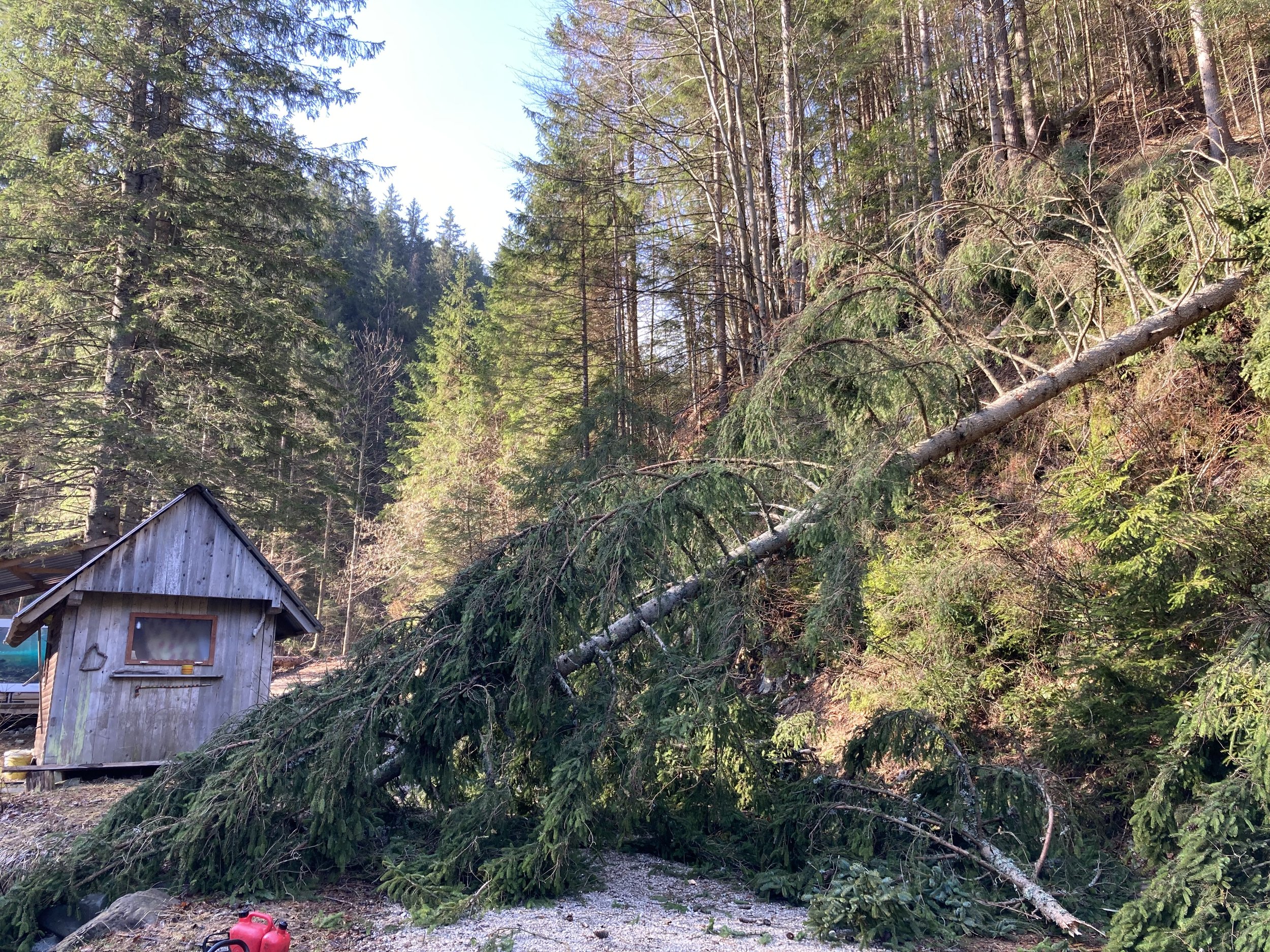
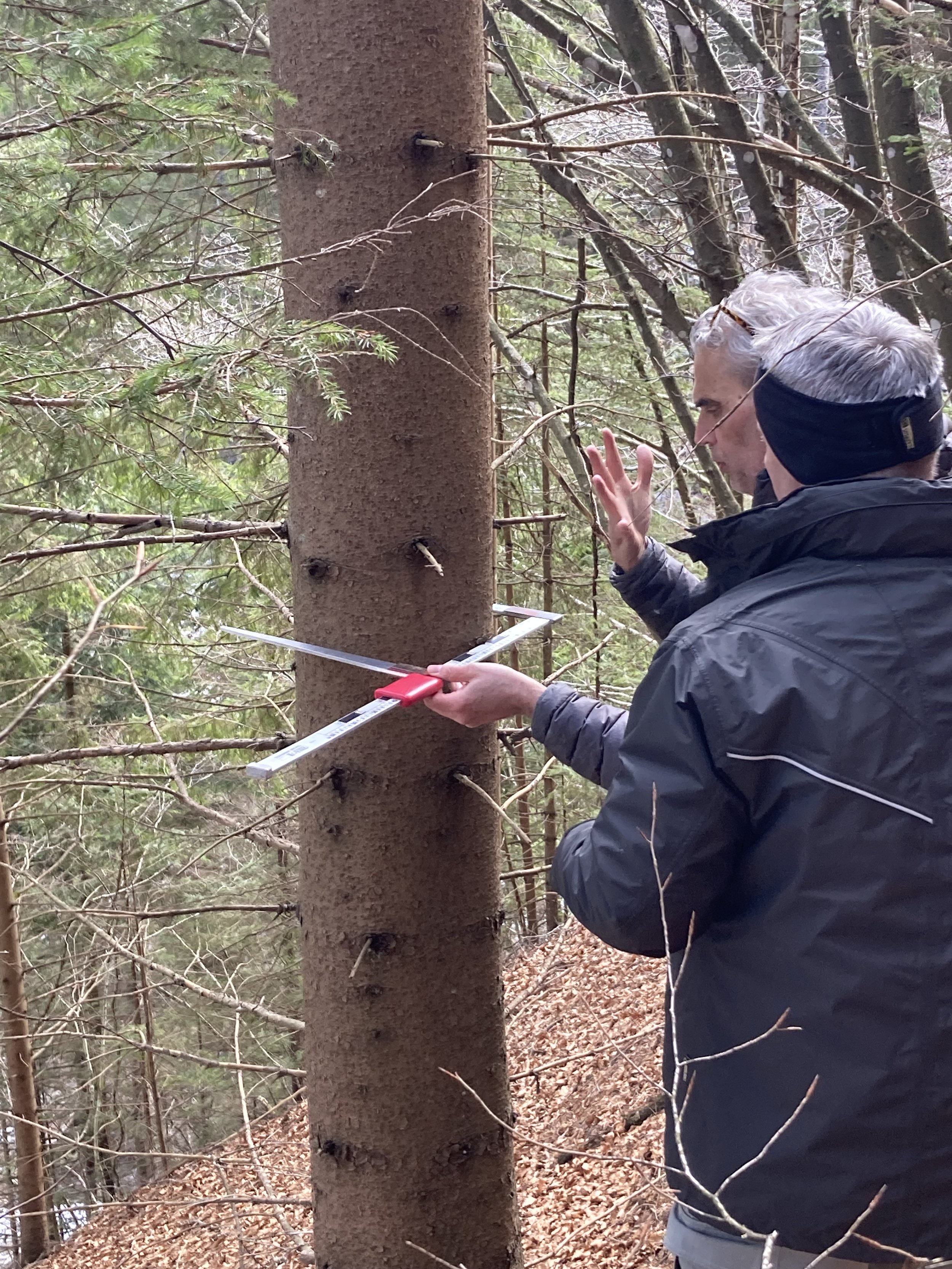
We begin with the forest. Aging spruce trees are gradually removed and replaced with native species- silver fir, beech, maple, birch, ash, and willows along the creeks. The wood that emerges is used on site, including for building a bee house and other small structures. This work supports a slow transition toward a more diverse and resilient forest.
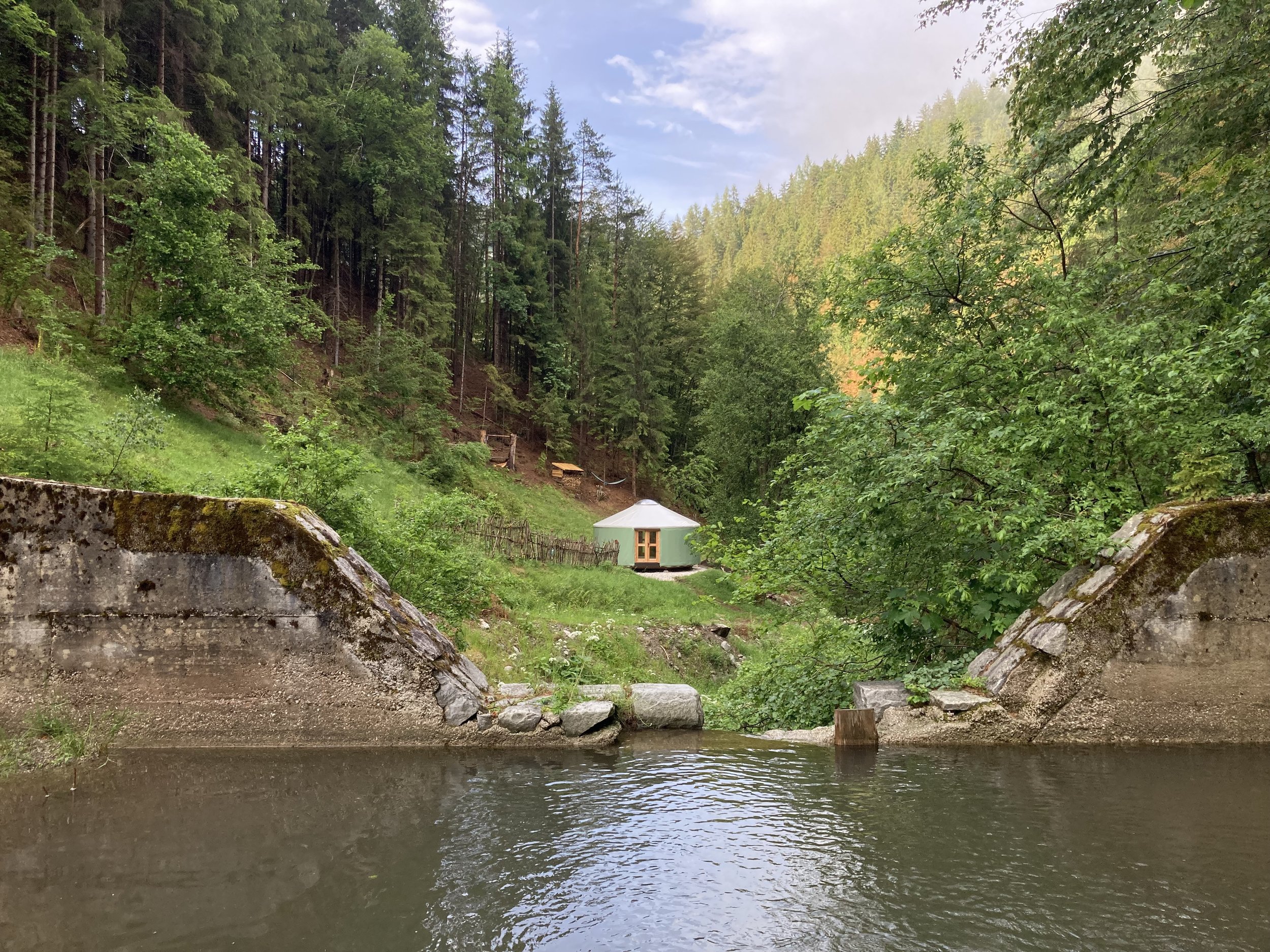
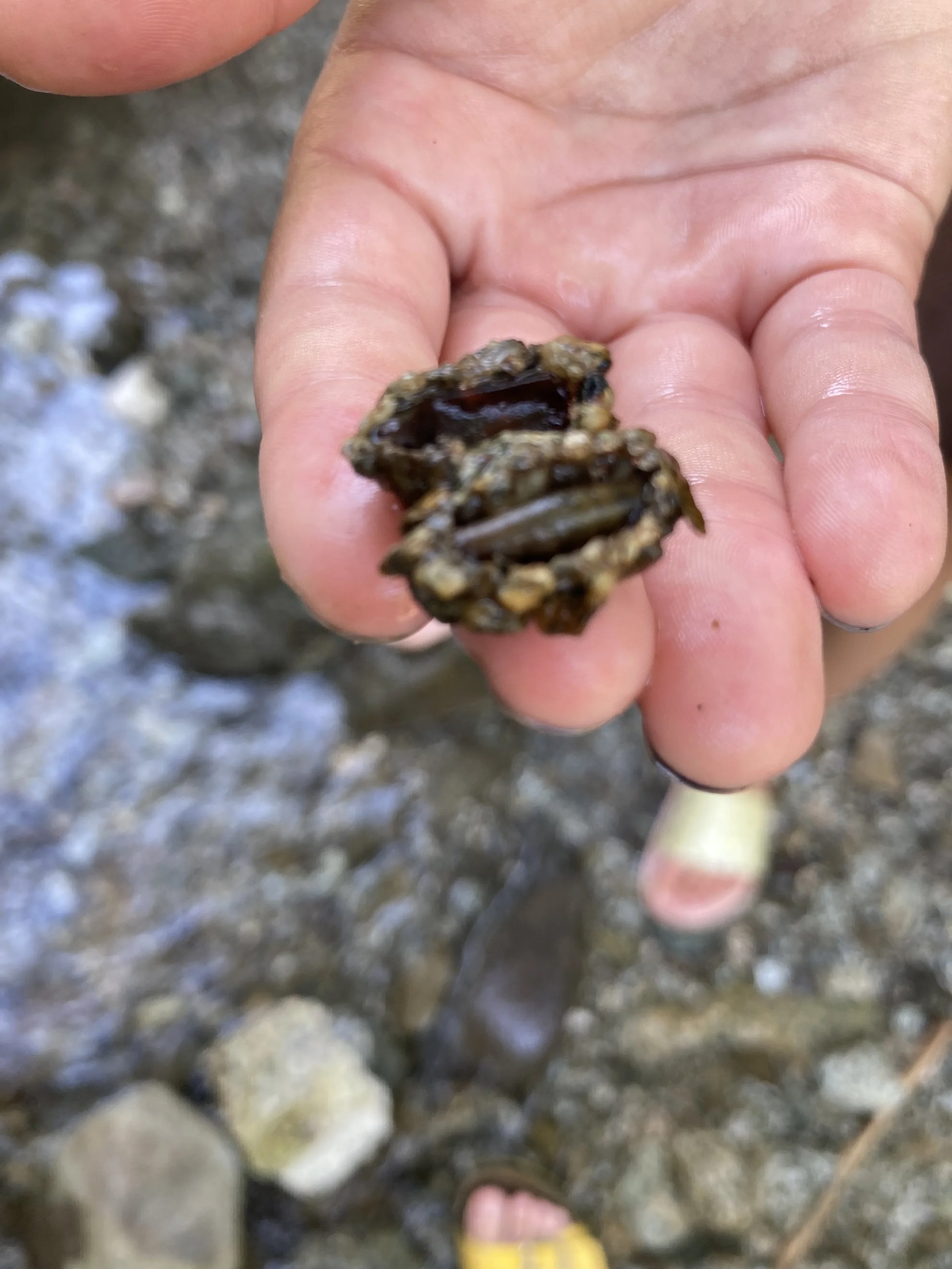
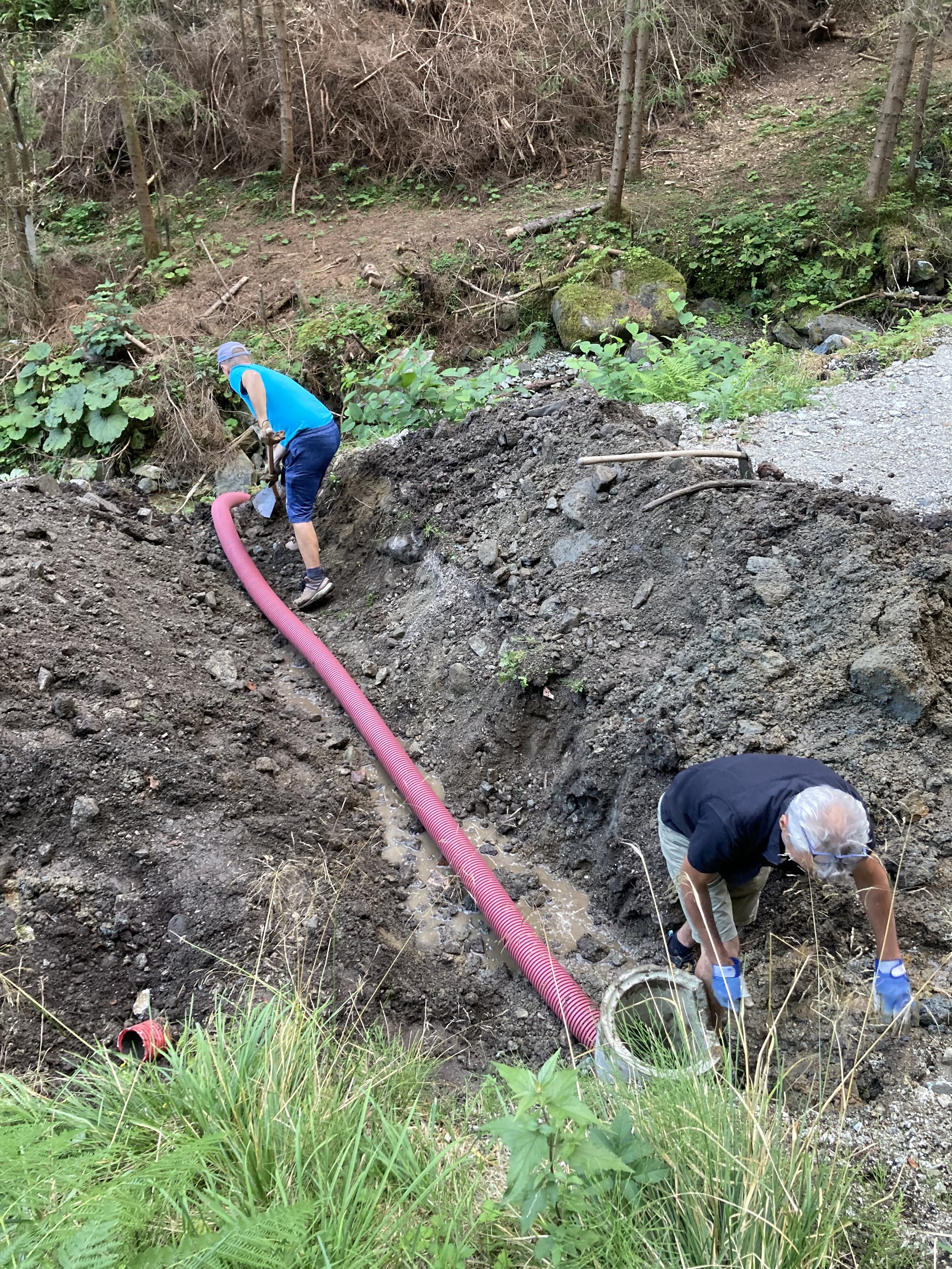
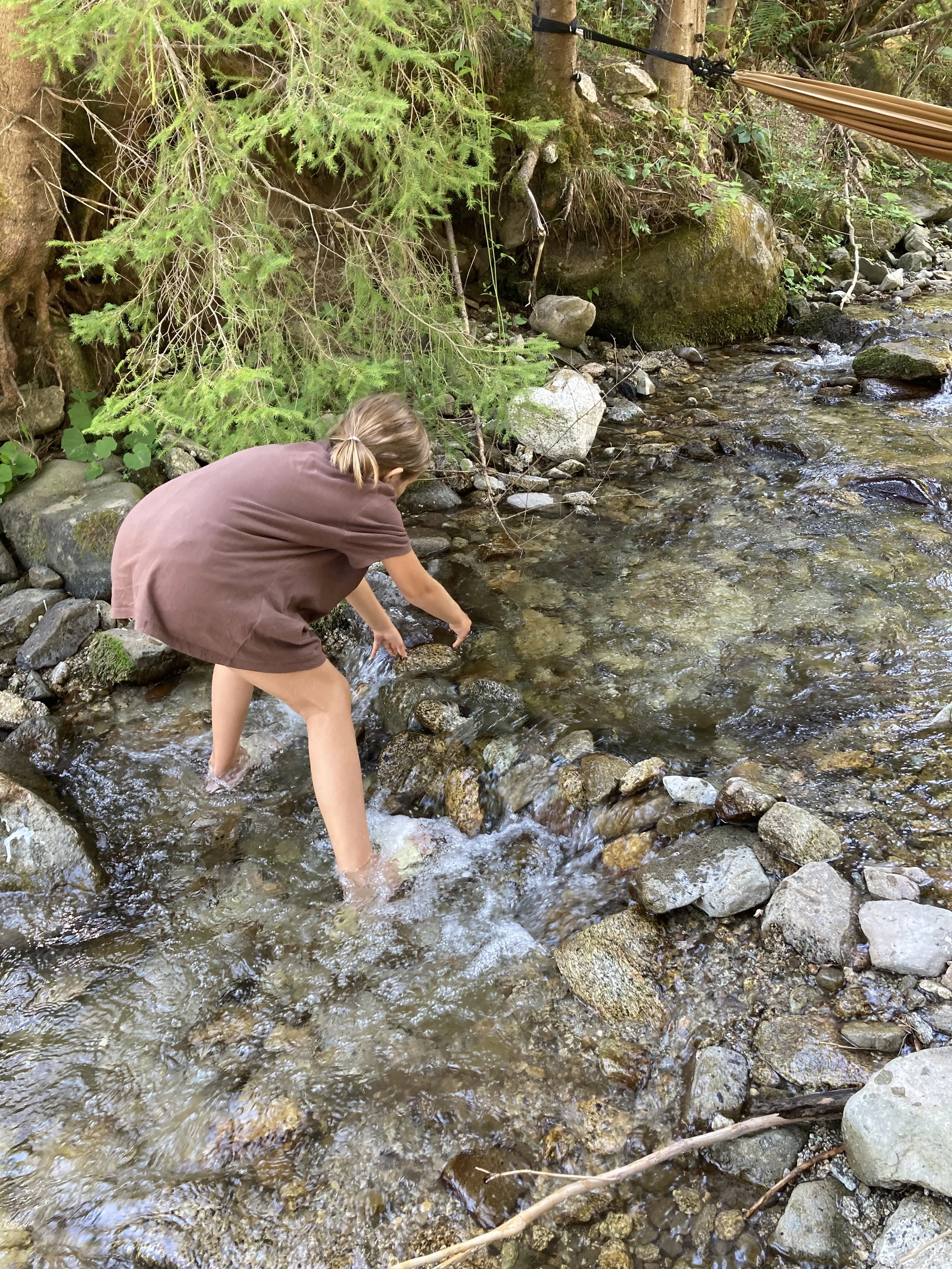
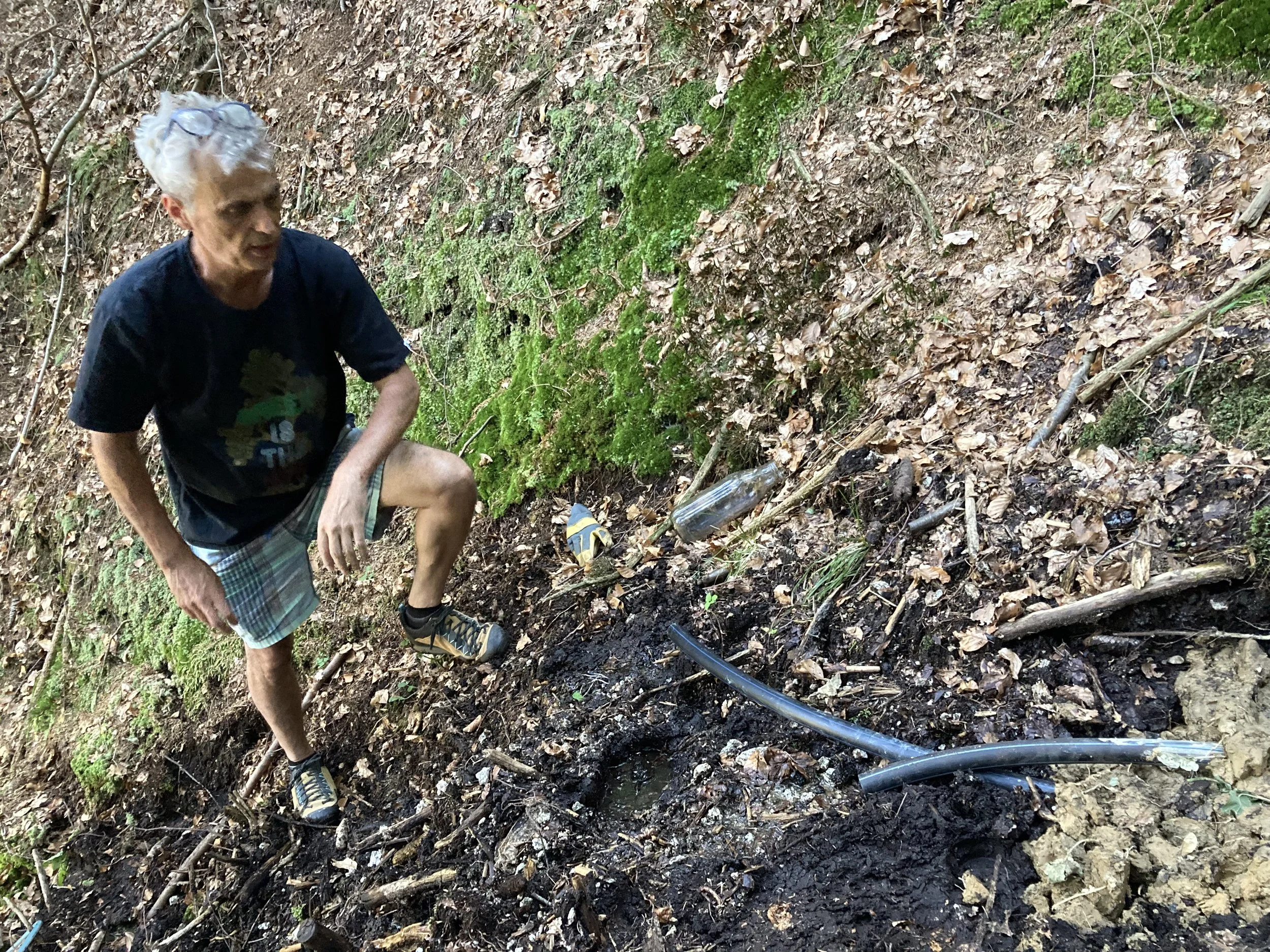
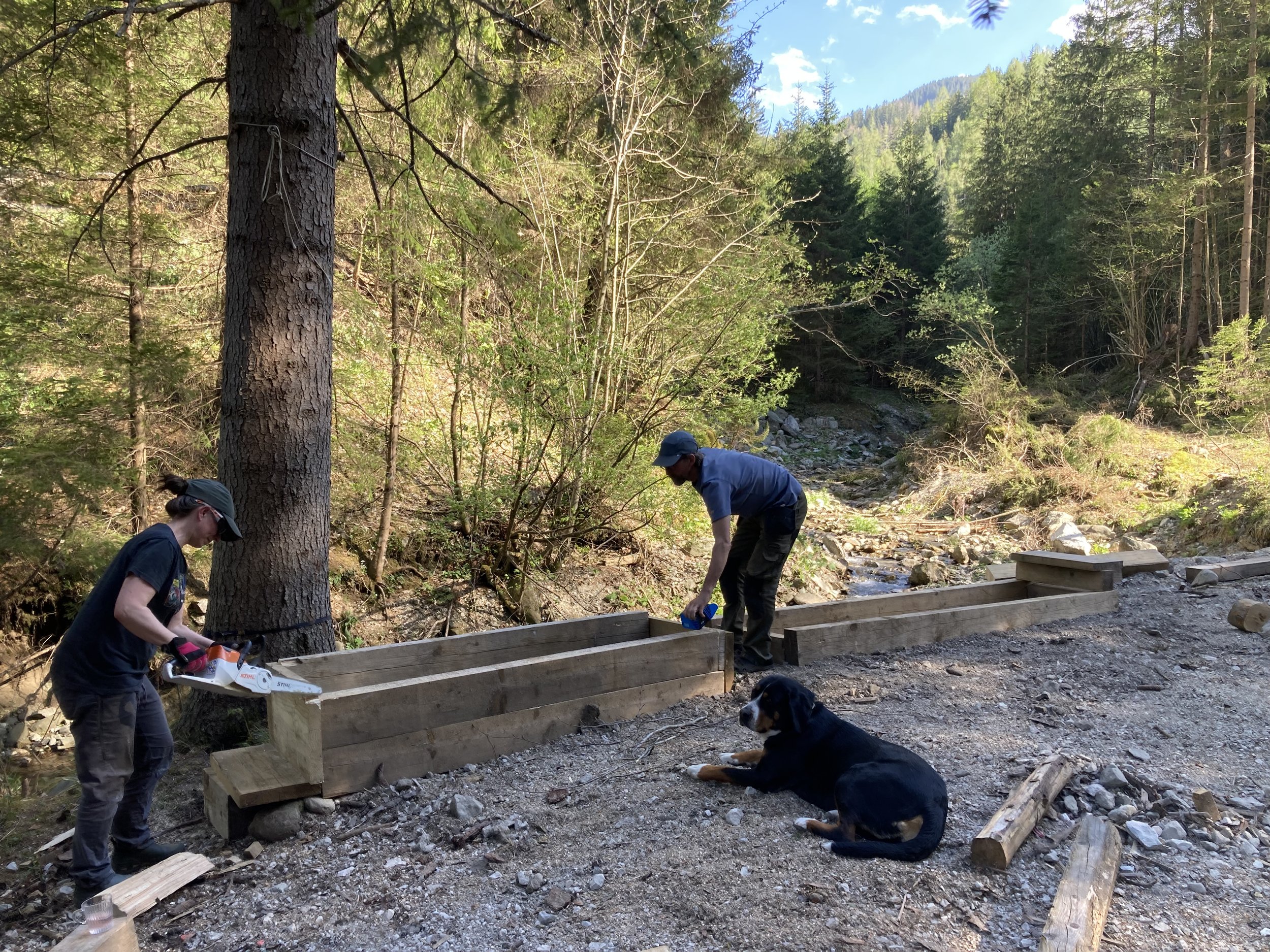
Goltnik's Stream calls for long-term restoration. As we gather the knowledge and partnerships needed for larger interventions, we begin with small, careful steps - removing invasive species and adding natural materials from the surrounding area to support the renewal of the streambed and conditions for life in and along the water.
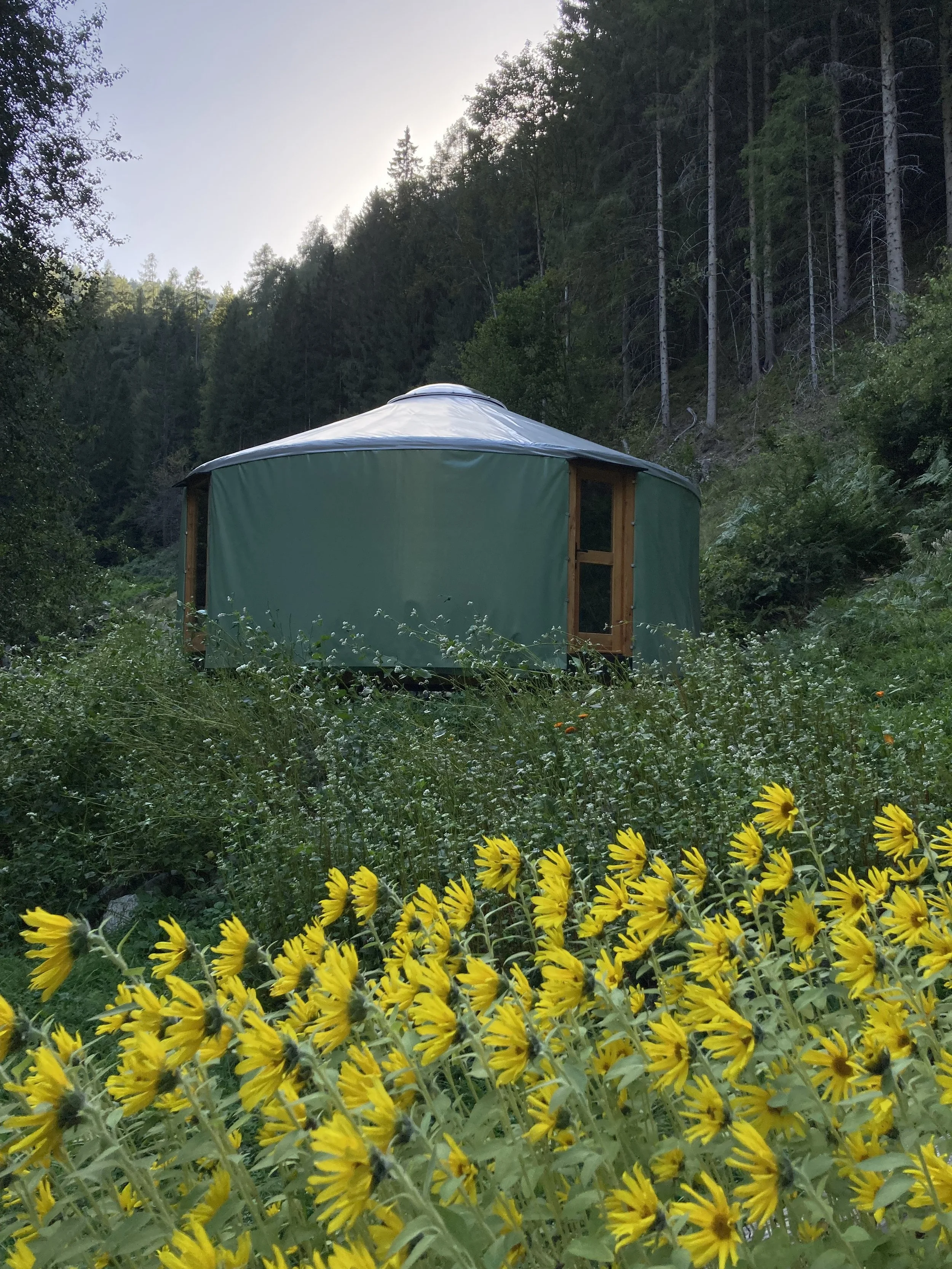
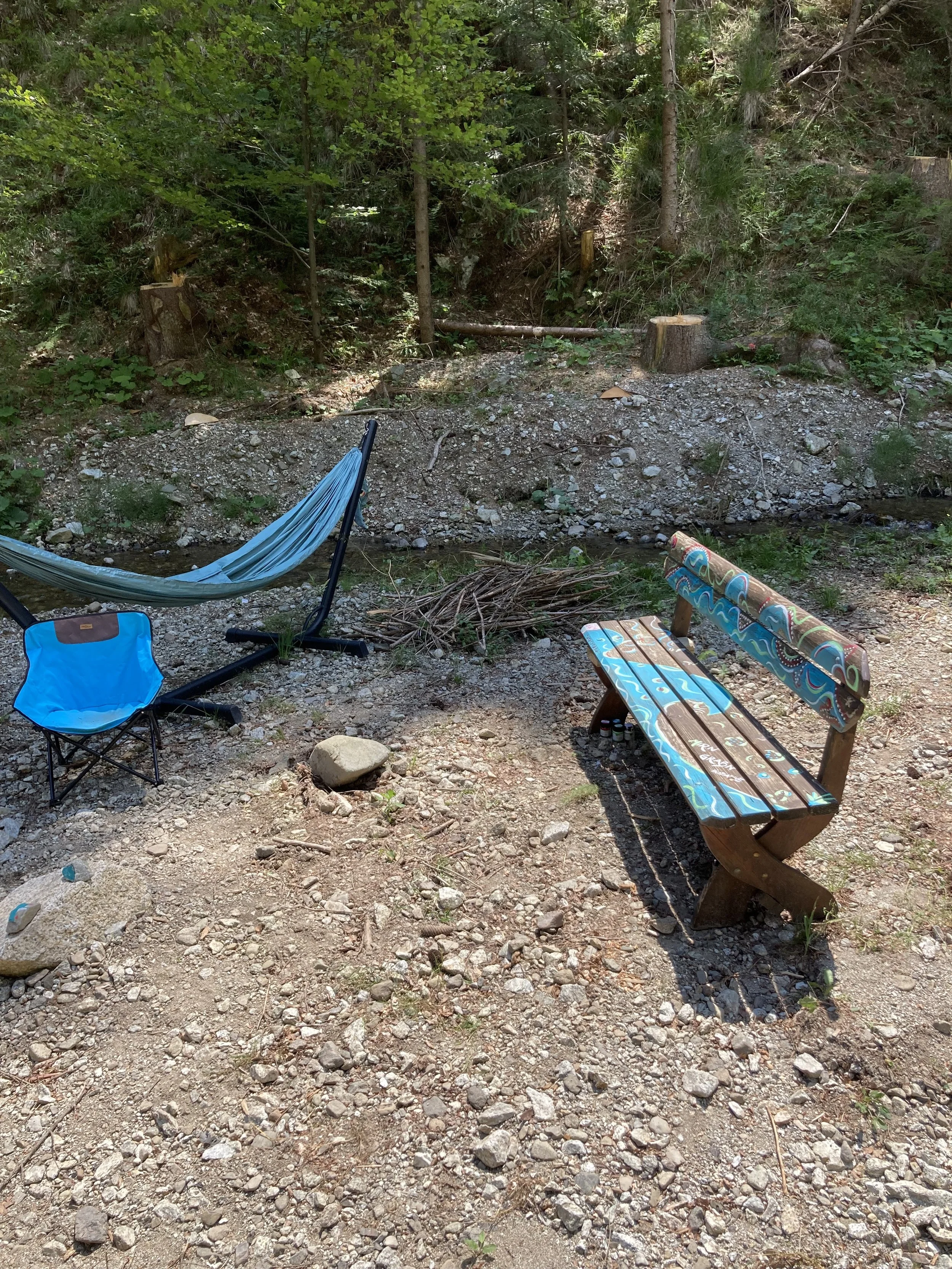
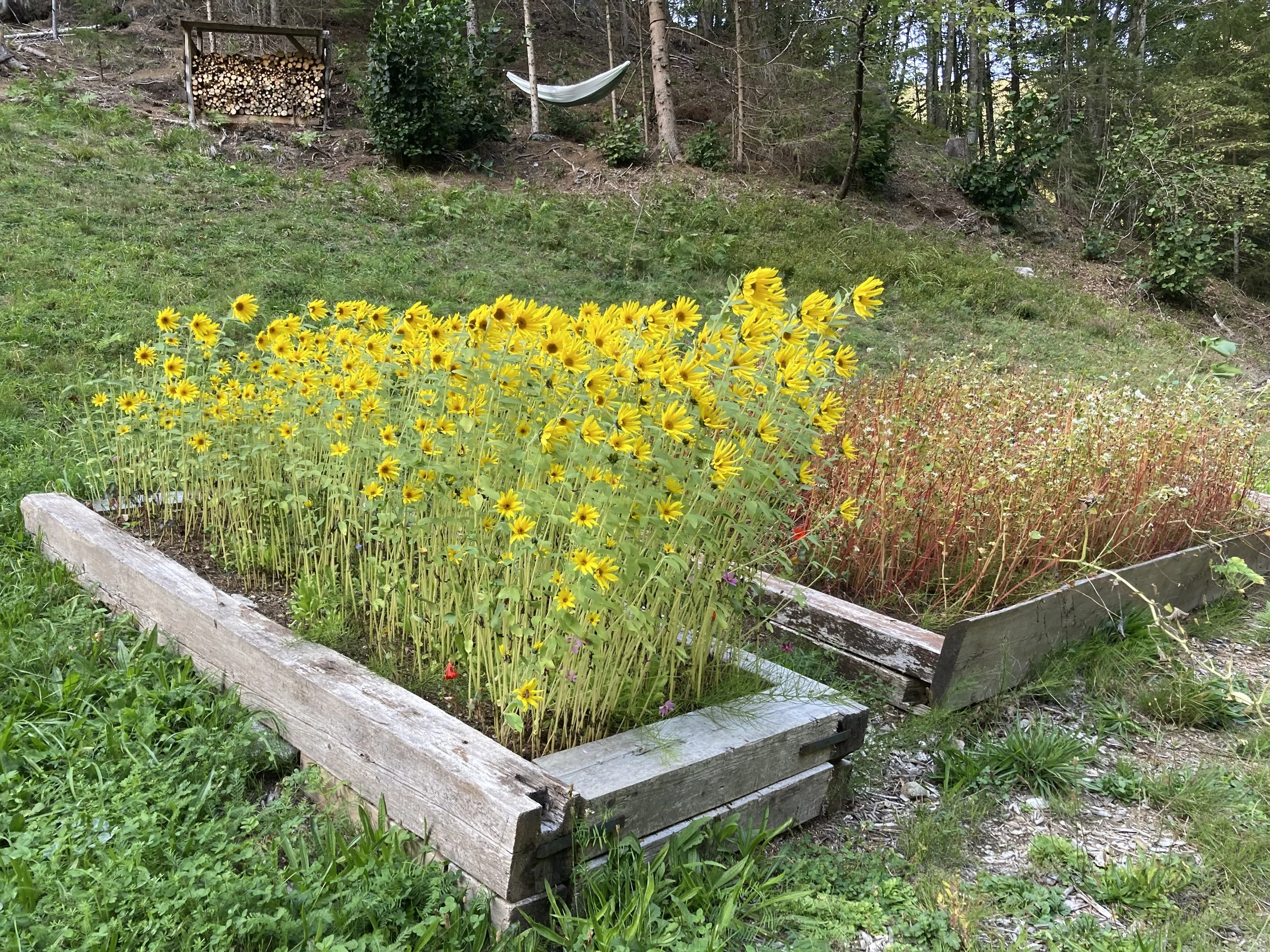
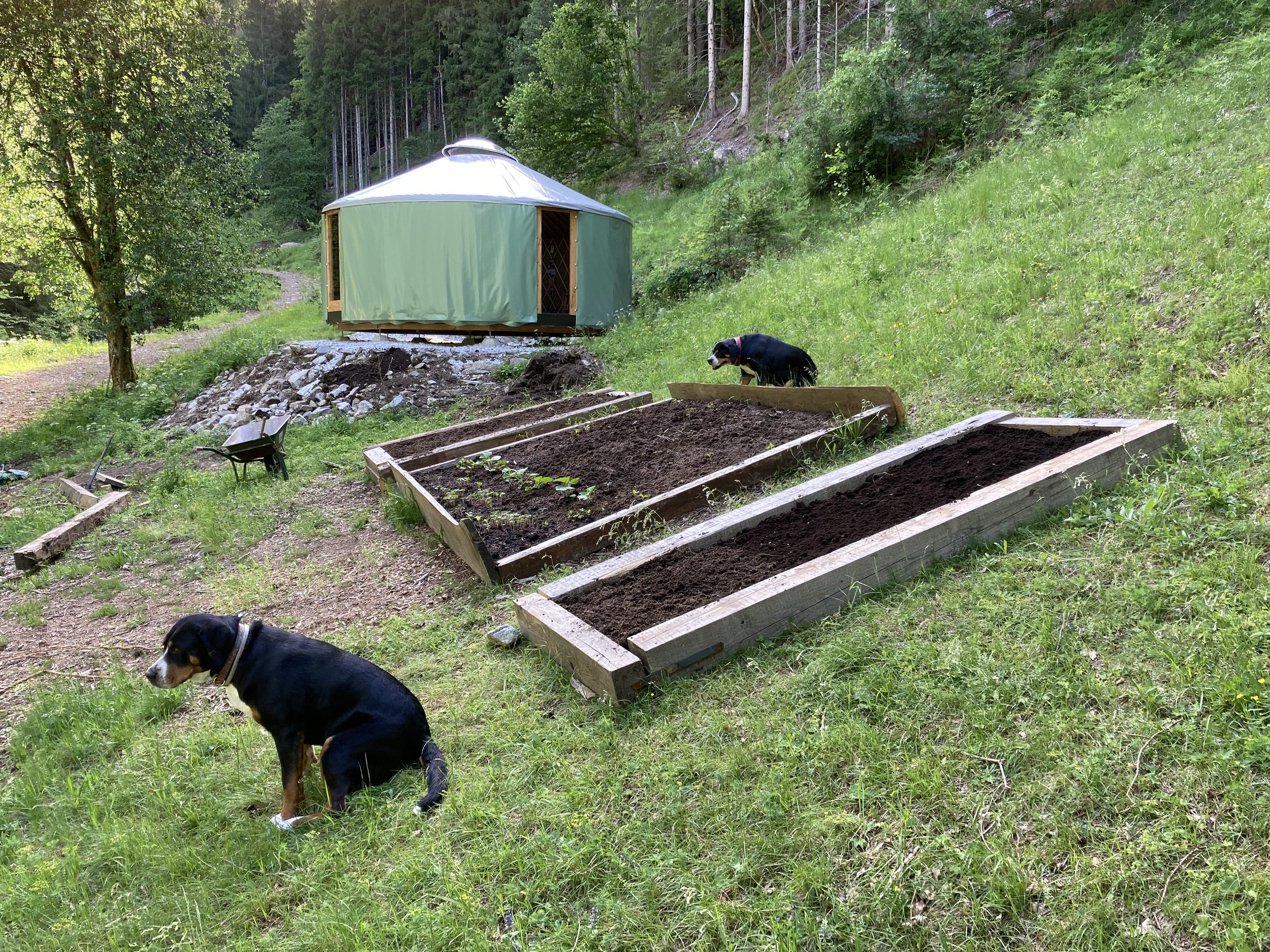
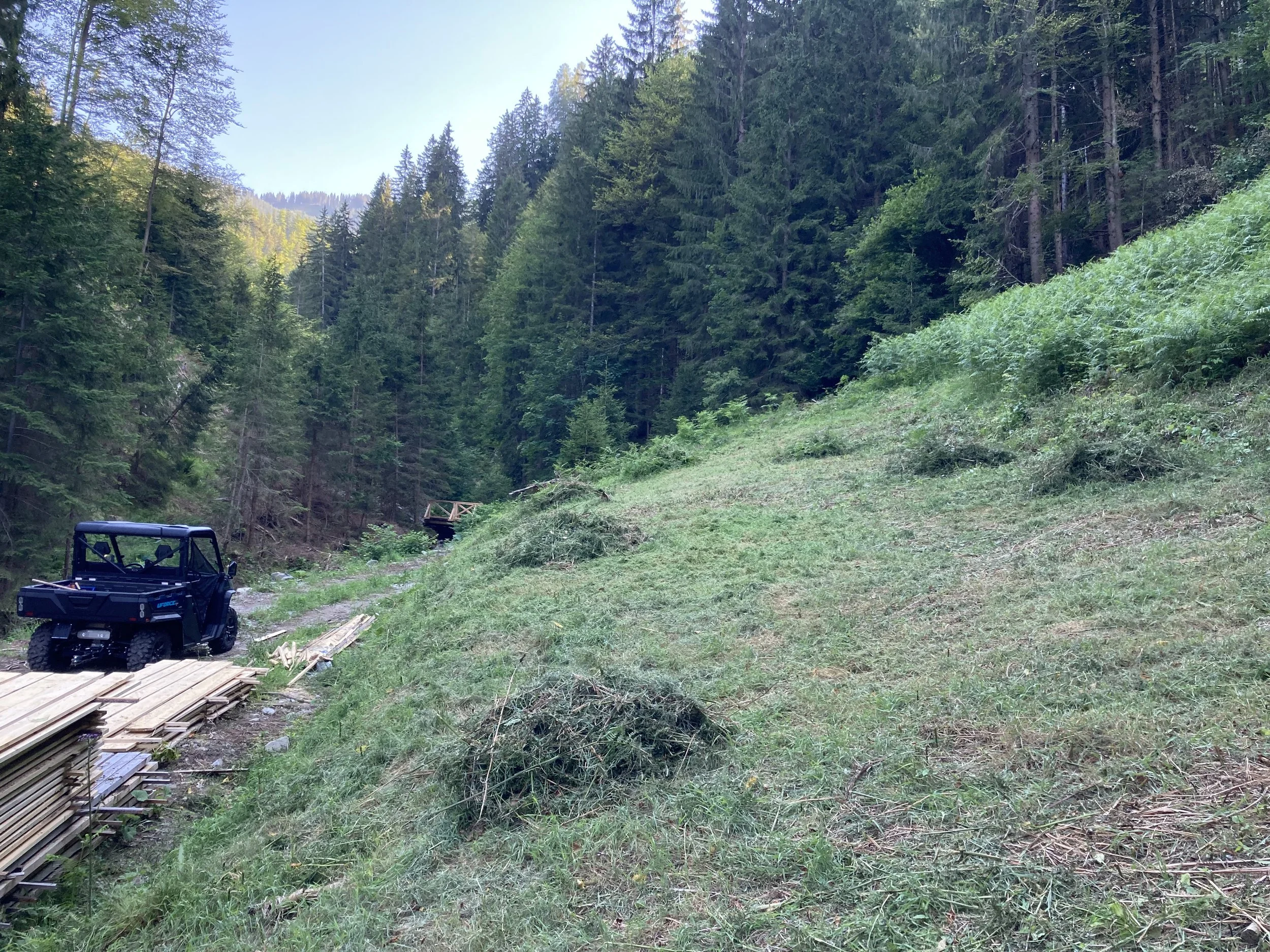
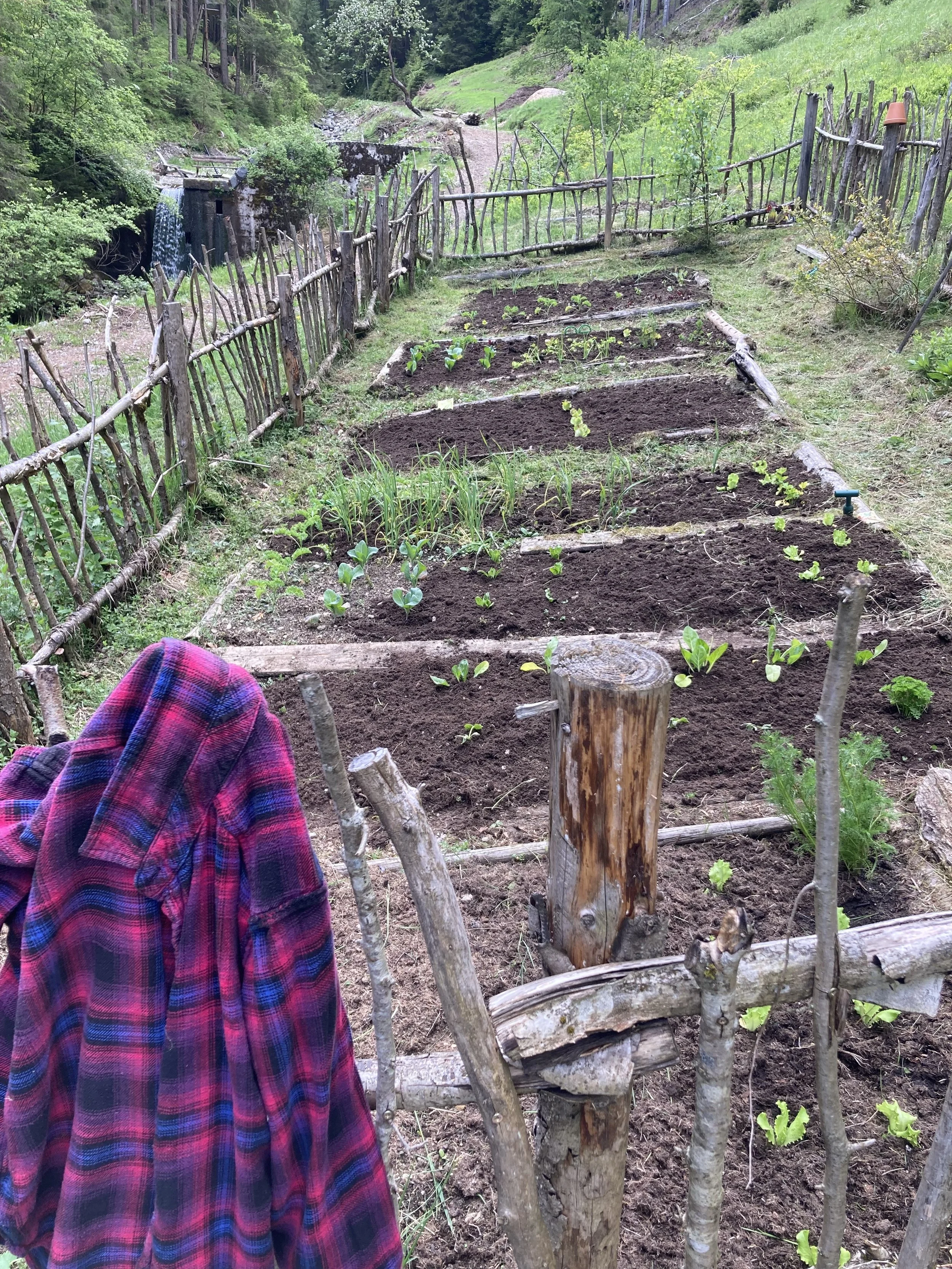
The meadows open in two directions. One becomes a place of memory, with trees chosen and planted together in honour of those we have lost. Another gradually turns into a field of buckwheat and other nectar-rich plants, nourishing soil, people, and pollinators. As time and energy allow, part of the meadow may also become a second garden.
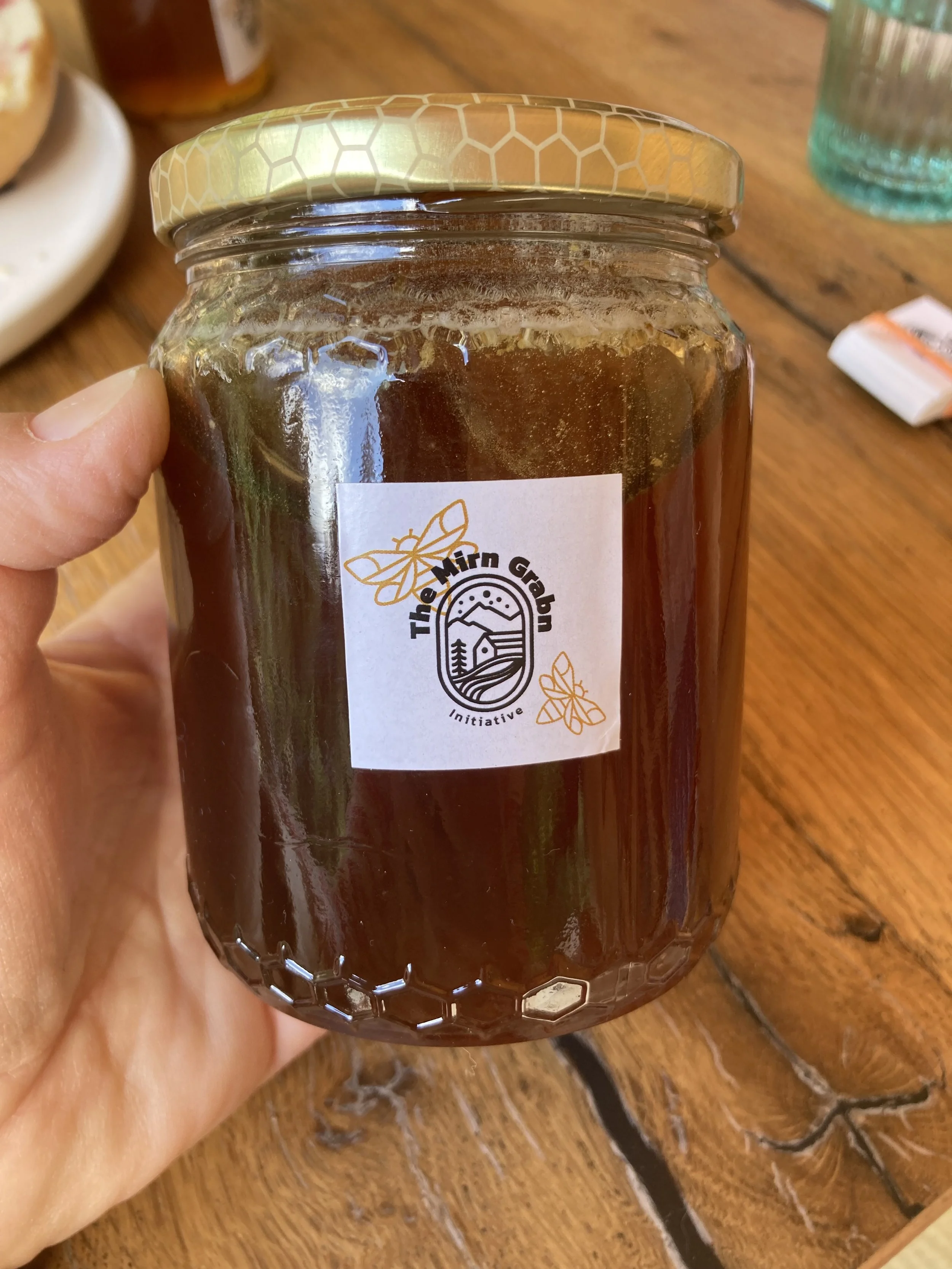
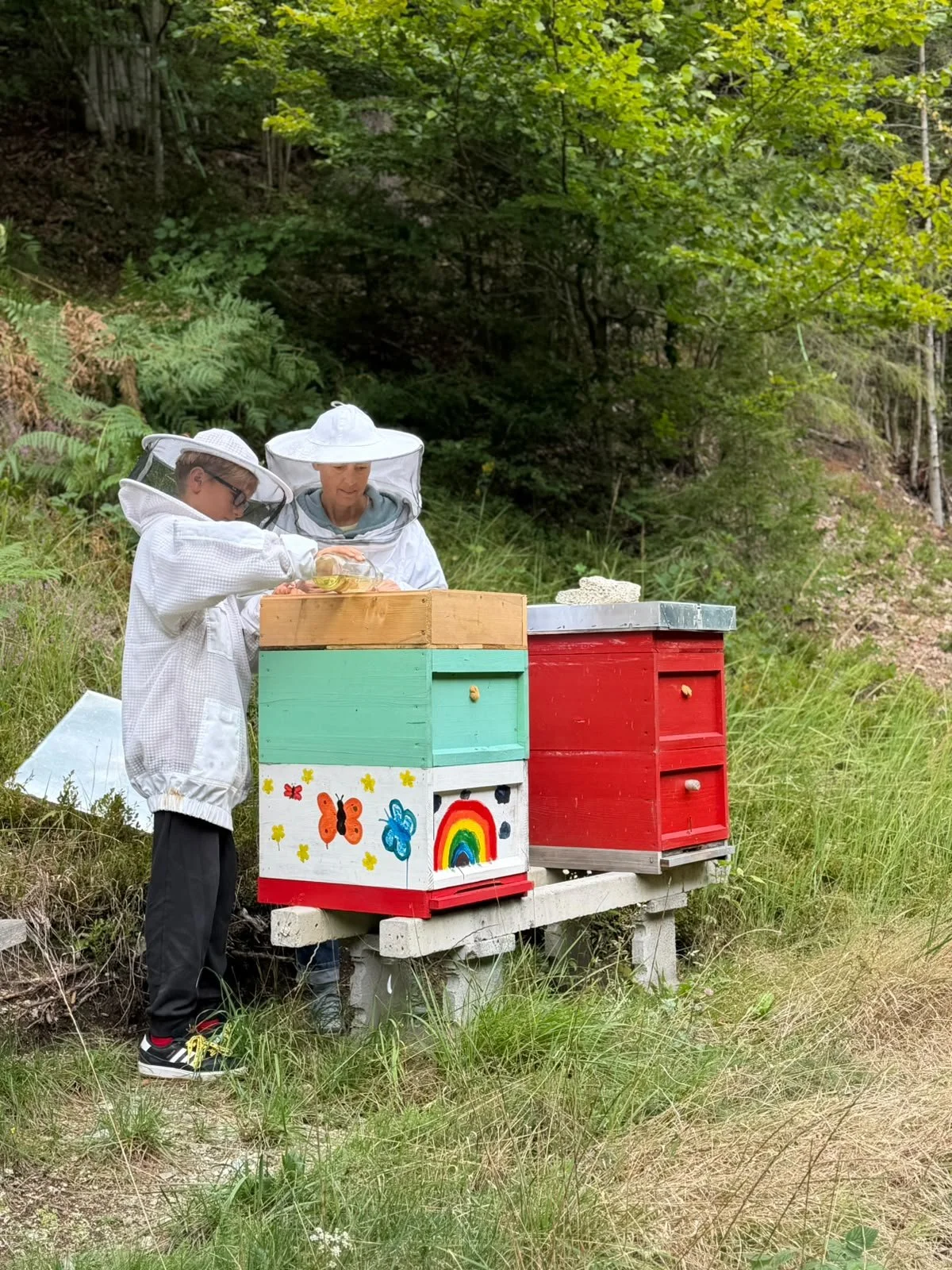
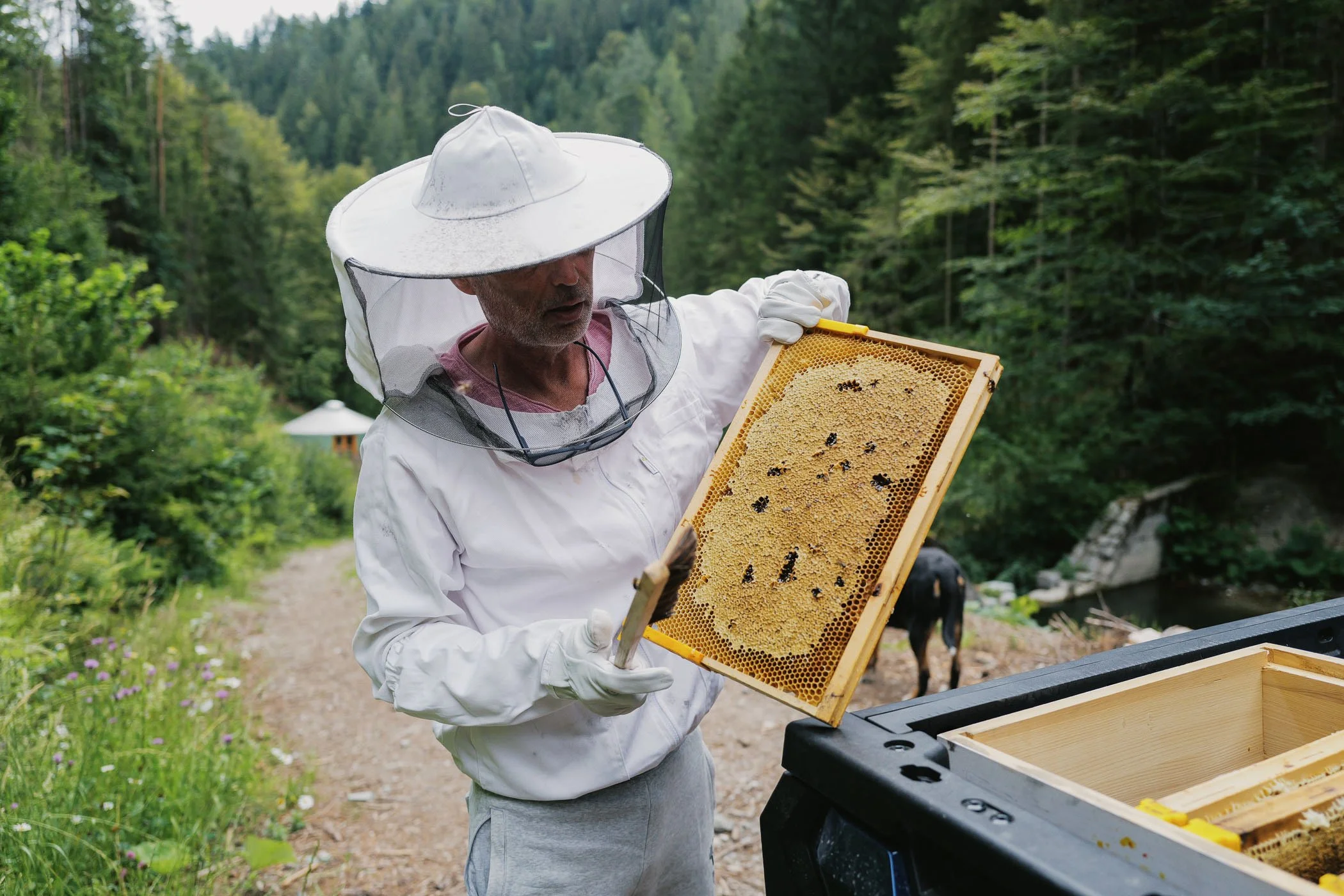
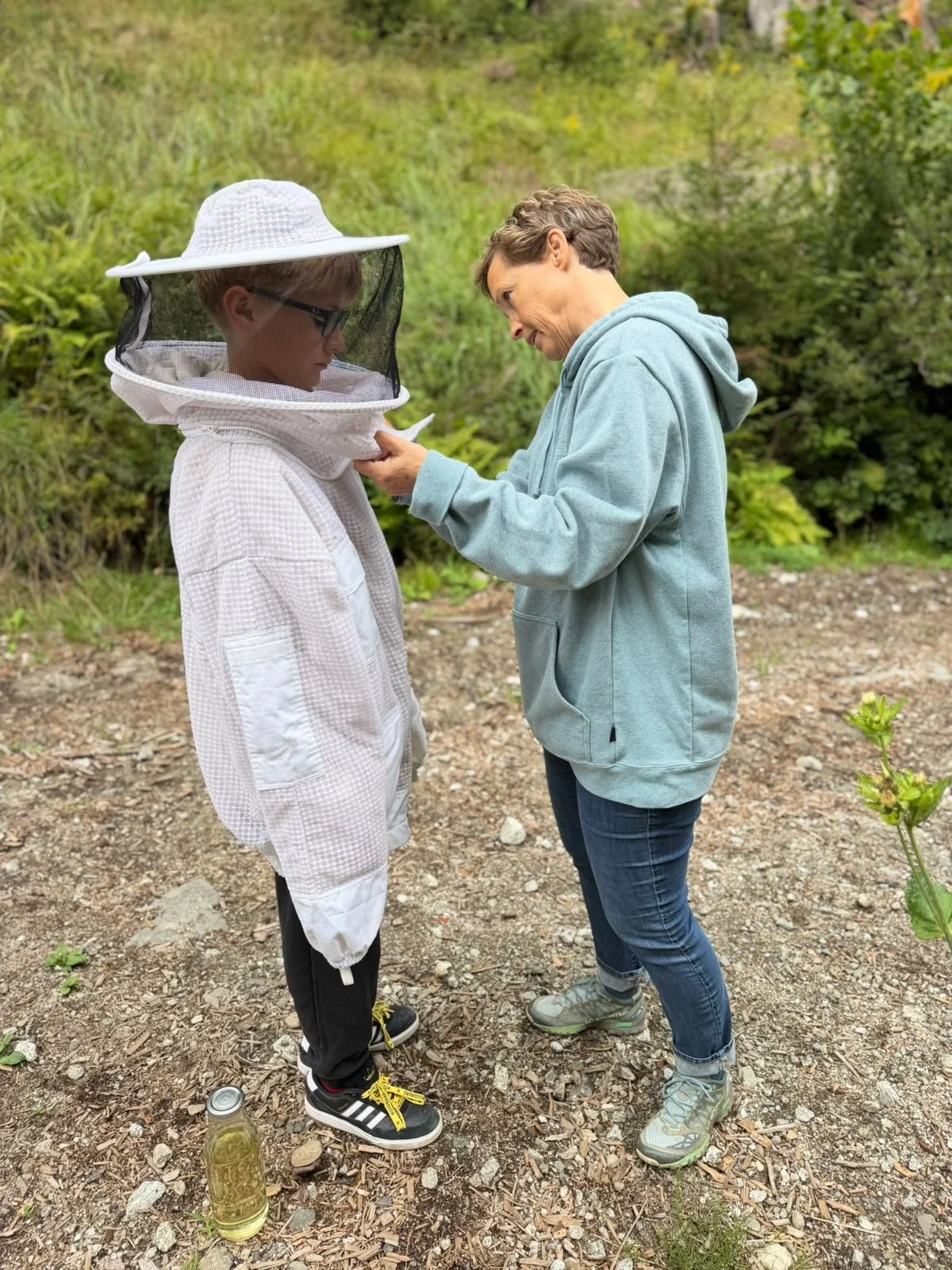
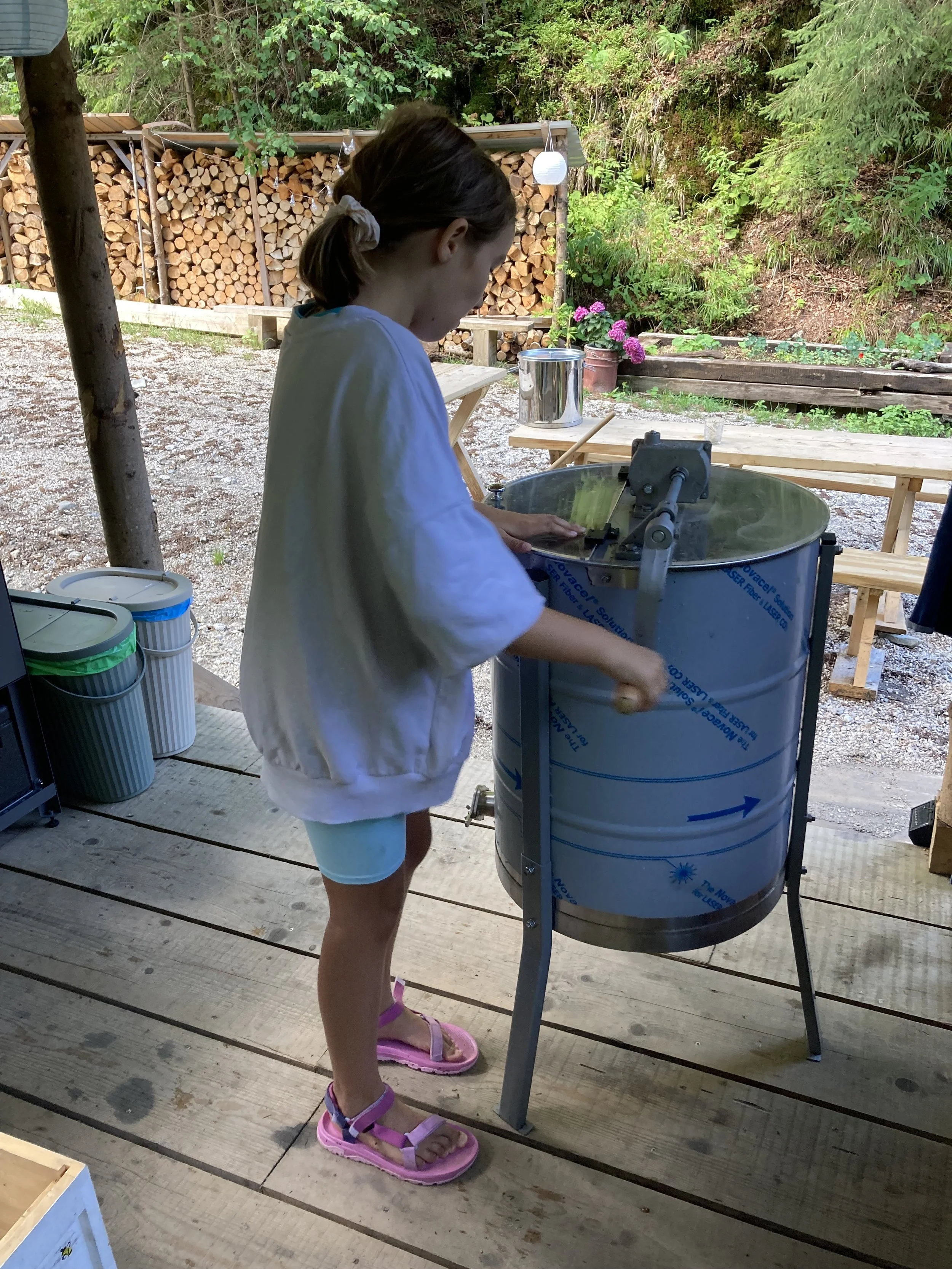
Bees are both a gift and a responsibility. We are gradually growing toward three colonies and preparing space for a future bee house, supporting long-term care and continuity.
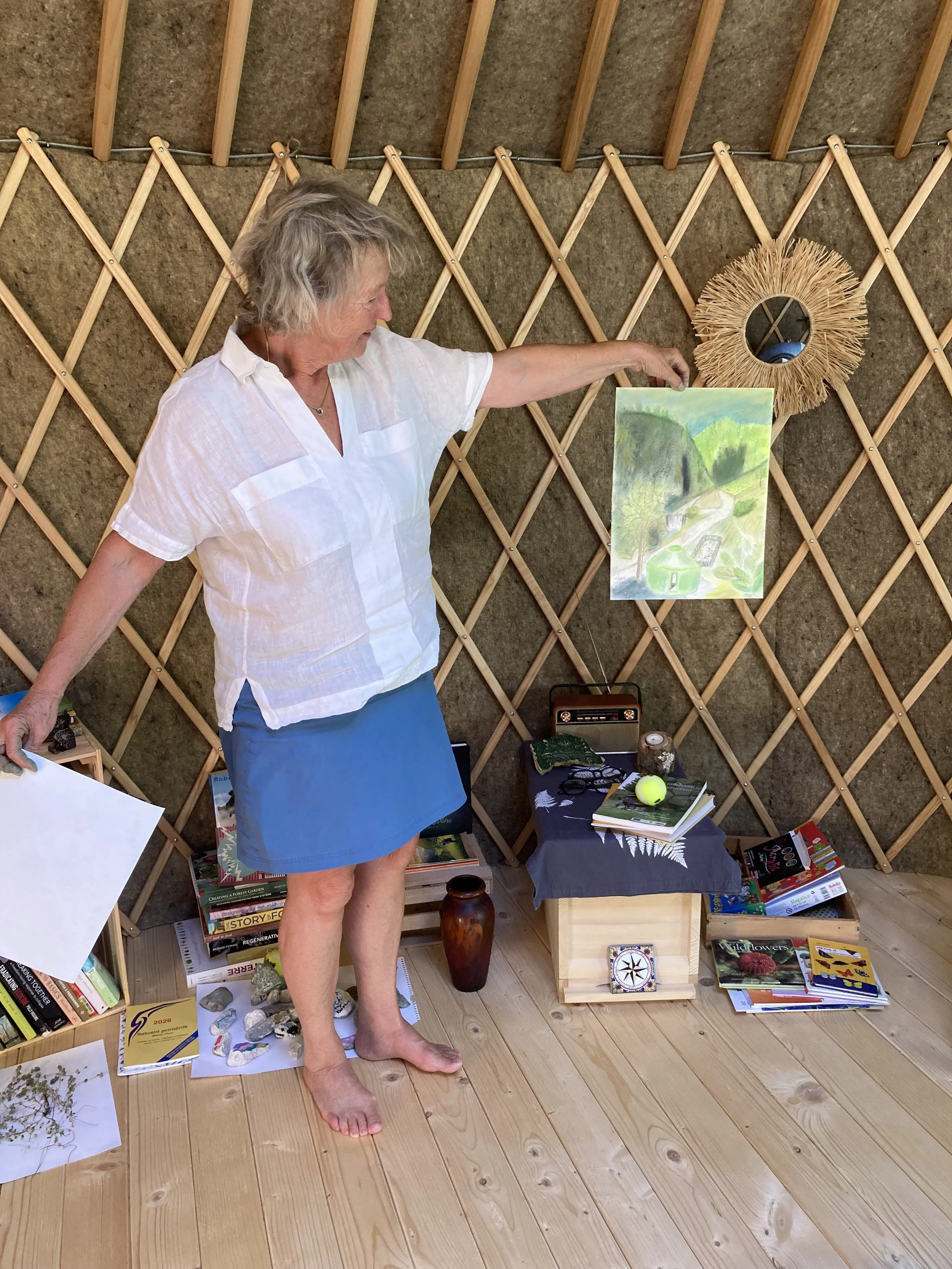
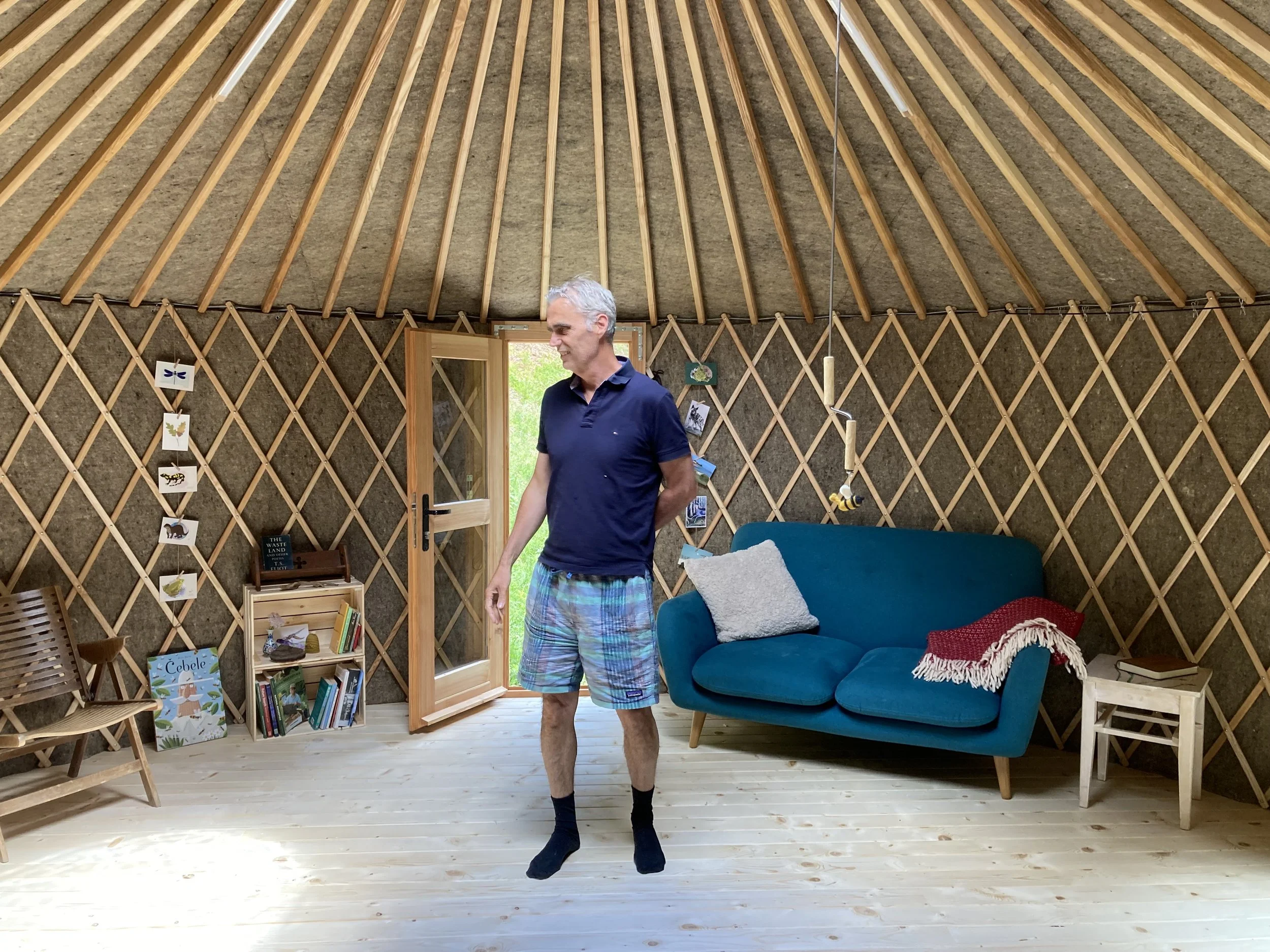
Alongside this, we begin to open the space for small, hands-on biodiversity and learning gatherings, bringing together people who wish to engage with the land through observation, restoration, and shared work. These early steps will help shape future, more structured field camps and long-term monitoring.
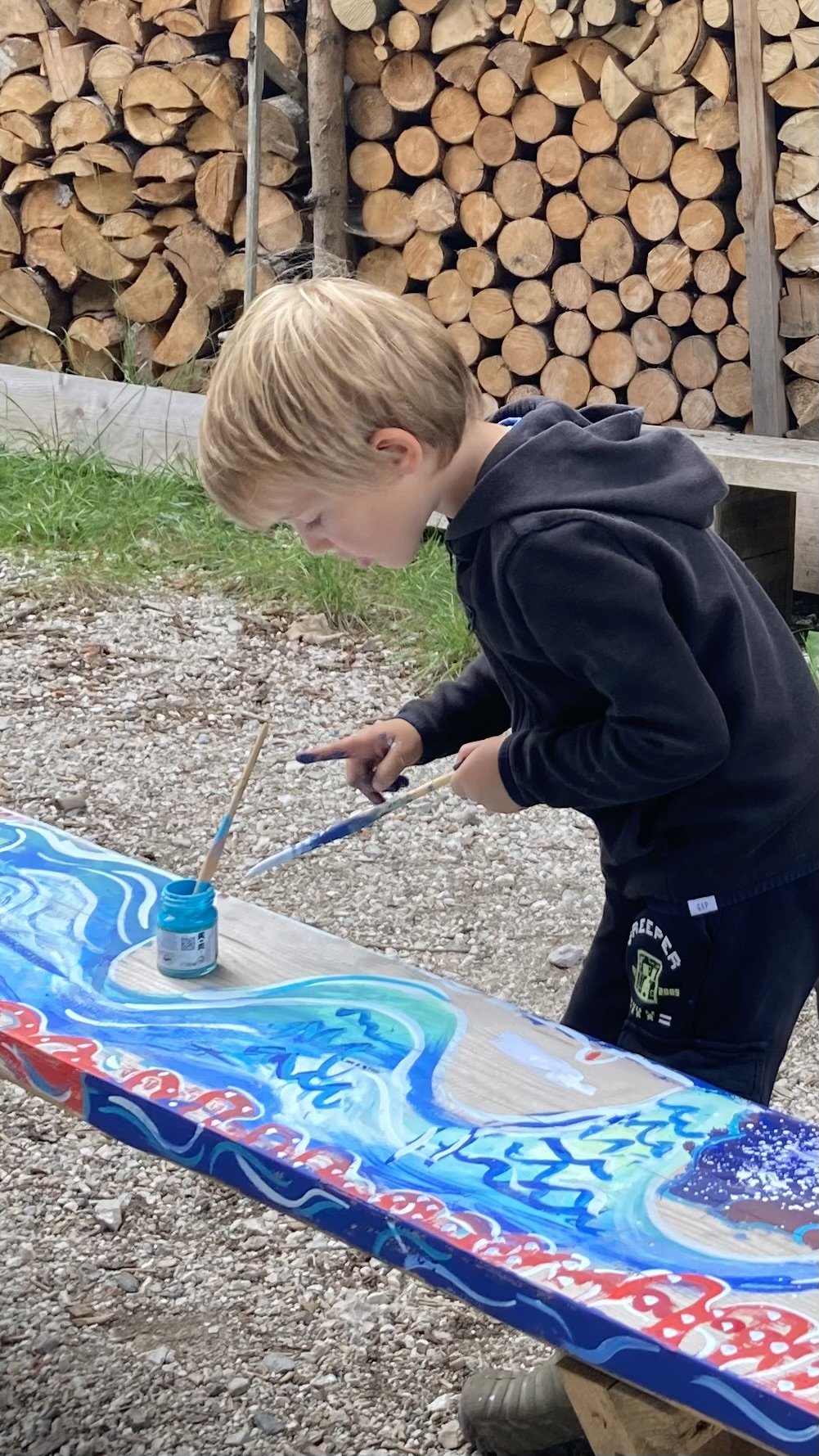
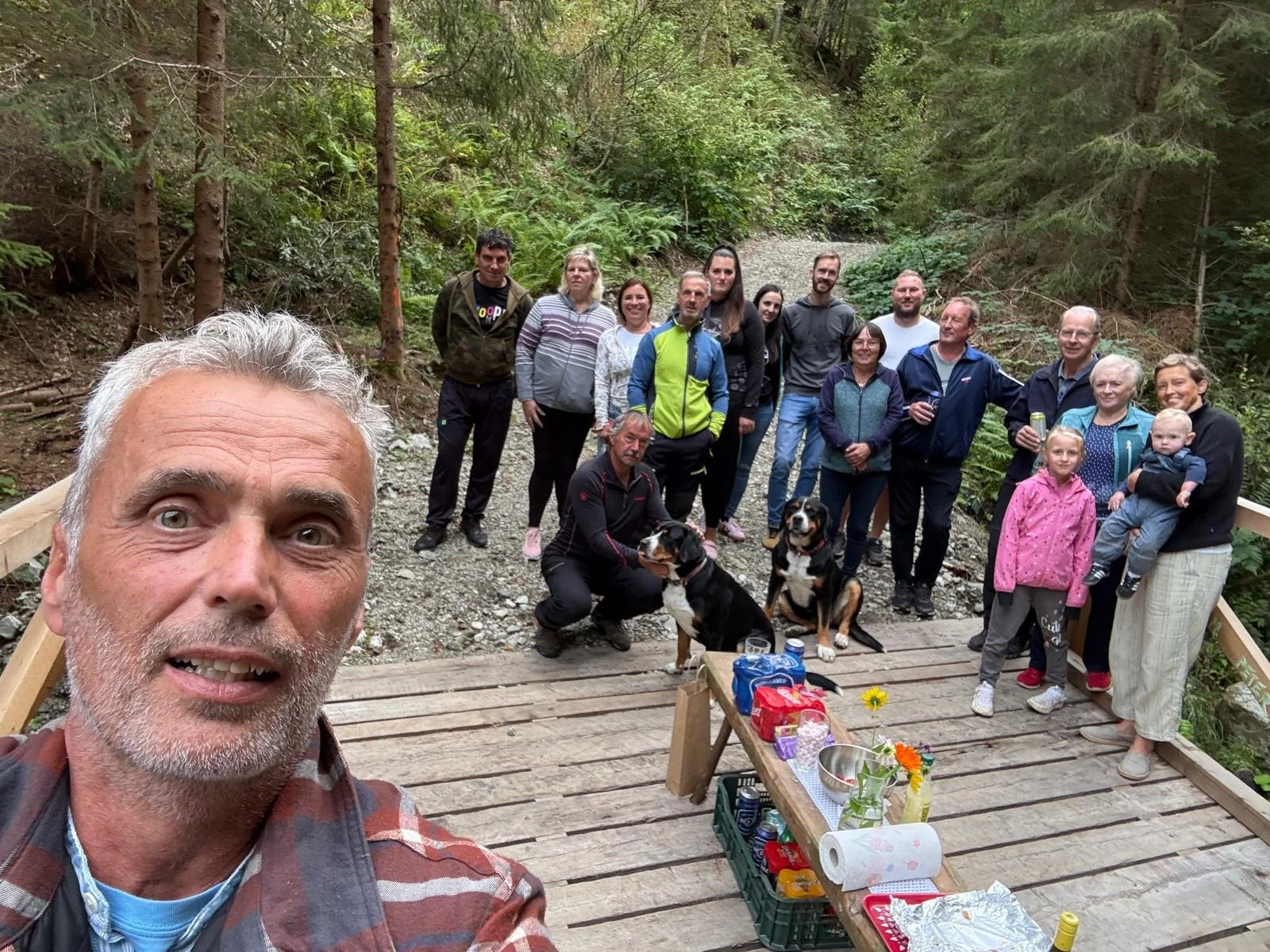
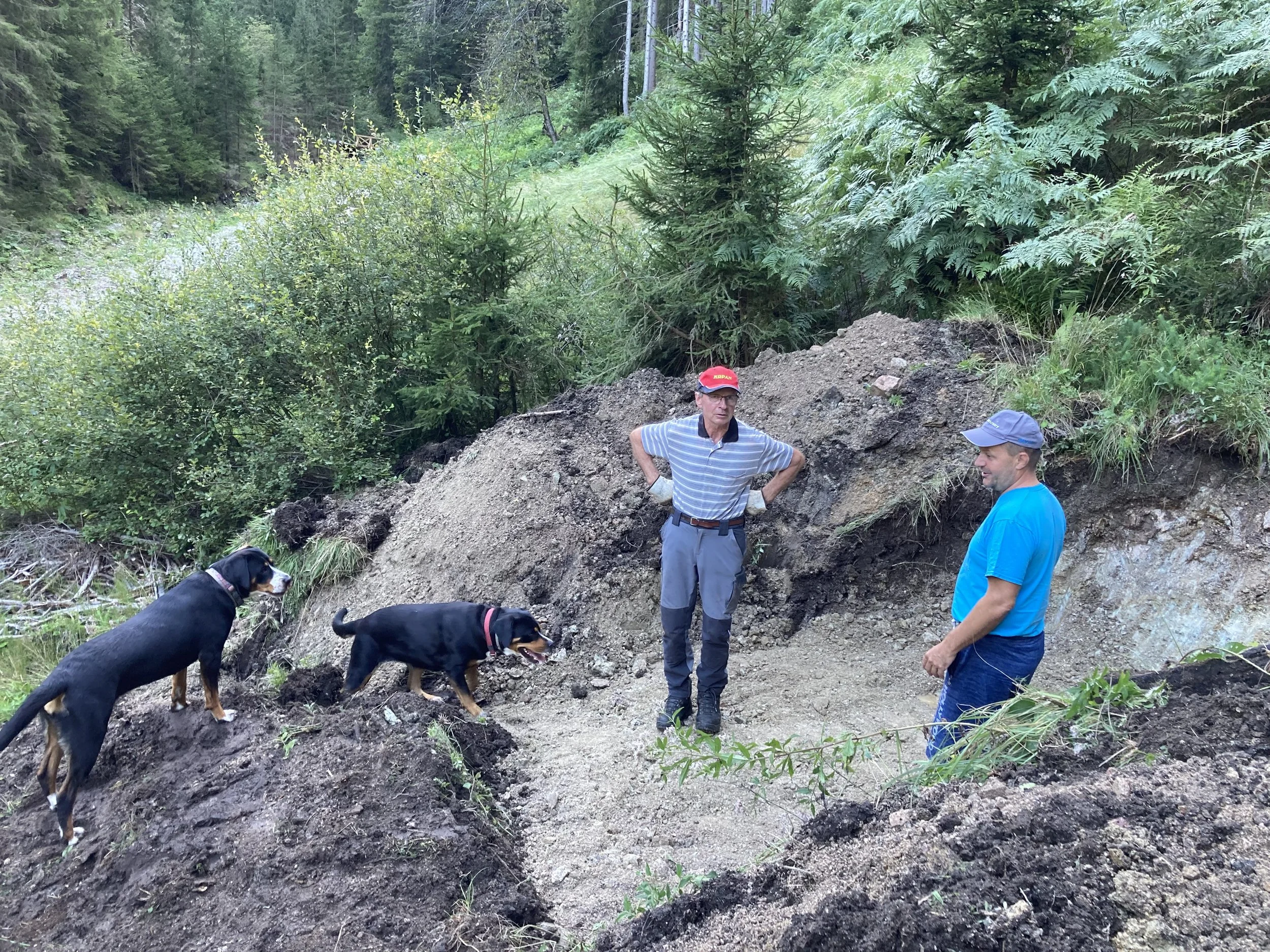
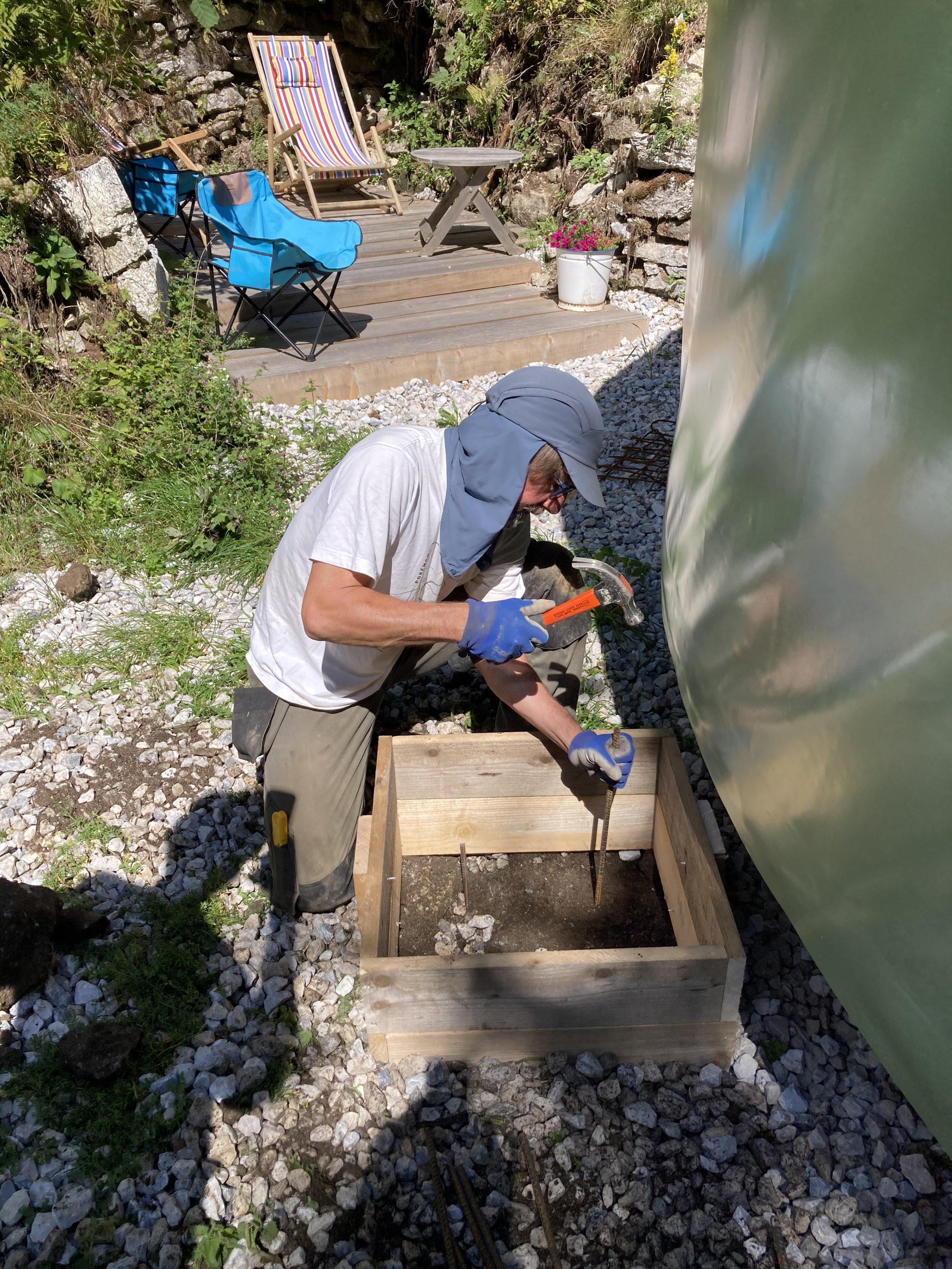
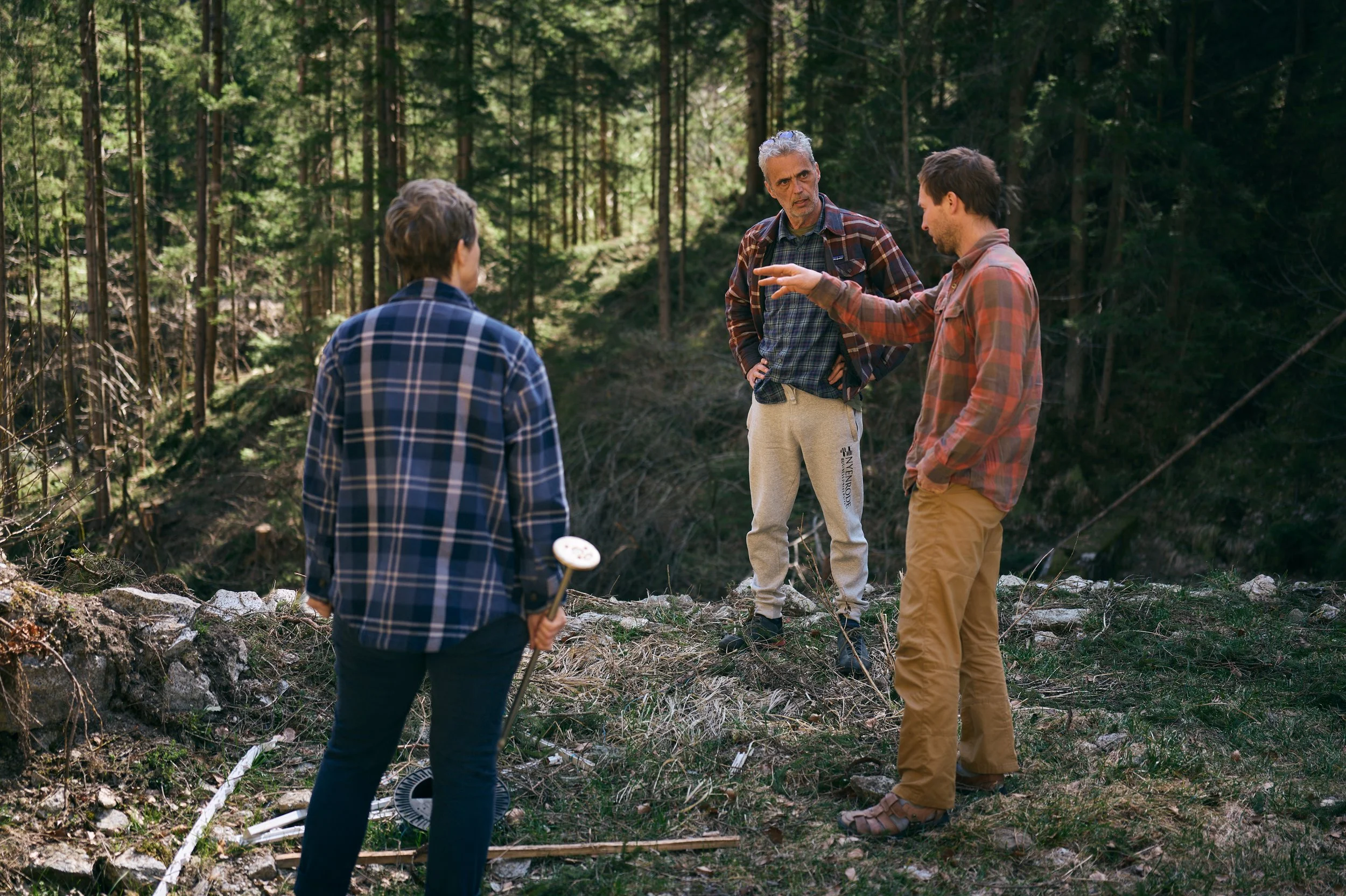
During the warmer months, the land asks for many hands. As most work is done without machinery, openness, care, and good will are always welcome. This is an invitation to share time, knowledge, or simply the rhythm of working and being together.
These are early steps in a longer process of learning how a landscape can be restored, understood, and cared for together, in ways that may guide how similar places are approached in the future.